If you’re planning to make a crochet advent calendar, this guide will help you confidently choose the best yarn, hook, stitches and construction approach. Here, you’ll learn what makes a reusable crochet advent calendar truly durable, how to select a pattern that matches your skills and timeline, and practical tips to ensure your pockets look consistent from year to year. Whether you’re a confident beginner or new to larger projects, you’ll find evidence-backed strategies for building a calendar that lasts—and know exactly where to find downloadable crochet PDF patterns to get started in time for December.
Key Takeaways
- Choose worsted-weight yarn and a beginner-friendly hook size for best results with reusable crochet advent calendar pockets.
- Consistent pocket sizing and sturdy attachment methods are key for long-term use—plan ahead for reinforcement as needed.
- A clear, downloadable crochet PDF pattern helps beginners finish on time and avoid confusion about materials or construction steps.
- What crocheters look for in a reusable crochet advent calendar
- Best yarn types and hook guidance for durable, beginner-friendly calendars
- Beginner-friendly stitches and common construction techniques
- How pocket sizes and overall calendar dimensions vary (and what influences those choices)
- Practical tips to make pocket pieces sturdy, consistent and securely attached
- Finishing, hanging and assembly steps commonly overlooked (durability-focused)
- Time-saving strategies and a realistic approach for beginners
- Where to find good downloadable PDF patterns and how to choose one
- Frequently Asked Questions
What crocheters look for in a reusable crochet advent calendar
Crocheters planning to make a reusable advent calendar have different priorities from those buying a store-bought version. A crochet advent calendar is all about customization, durability, and the handmade charm that can’t be matched by mass-produced kits. Here are the most important factors:
- Reusability and durability: Makers prioritize yarns and construction methods that stand up to repeated use—so the calendar looks good year after year.
- Pocket/gift size flexibility: It’s easy to make reusable crochet advent calendar pockets in whatever size suits your family, whether for candy, notes, or small toys.
- Total aesthetic control: Colors, textures, and the final decorative look are fully in your hands, letting you coordinate with your favorite holiday palette or personal style.
- Accessible to beginners: Many patterns use simple repeats and basic shapes, making it a realistic step up for confident beginners wanting a project with impact.
- Practical features: Hanging options (loops, dowels), washability (with machine-washable fibers) and easy storage can all be customized—features sometimes overlooked in retail kits.
DIY options let you adapt each feature for your space, traditions, or preferred gifts—unlike store calendars, which may have fixed pocket sizes or a more rigid look. Lovecrafts, for example, lists many maker-designed advent calendar ideas in crochet, sewing, and other crafts, highlighting how custom calendars are part of many families’ holiday rituals (Lovecrafts collections).
Best yarn types and hook guidance for durable, beginner-friendly calendars
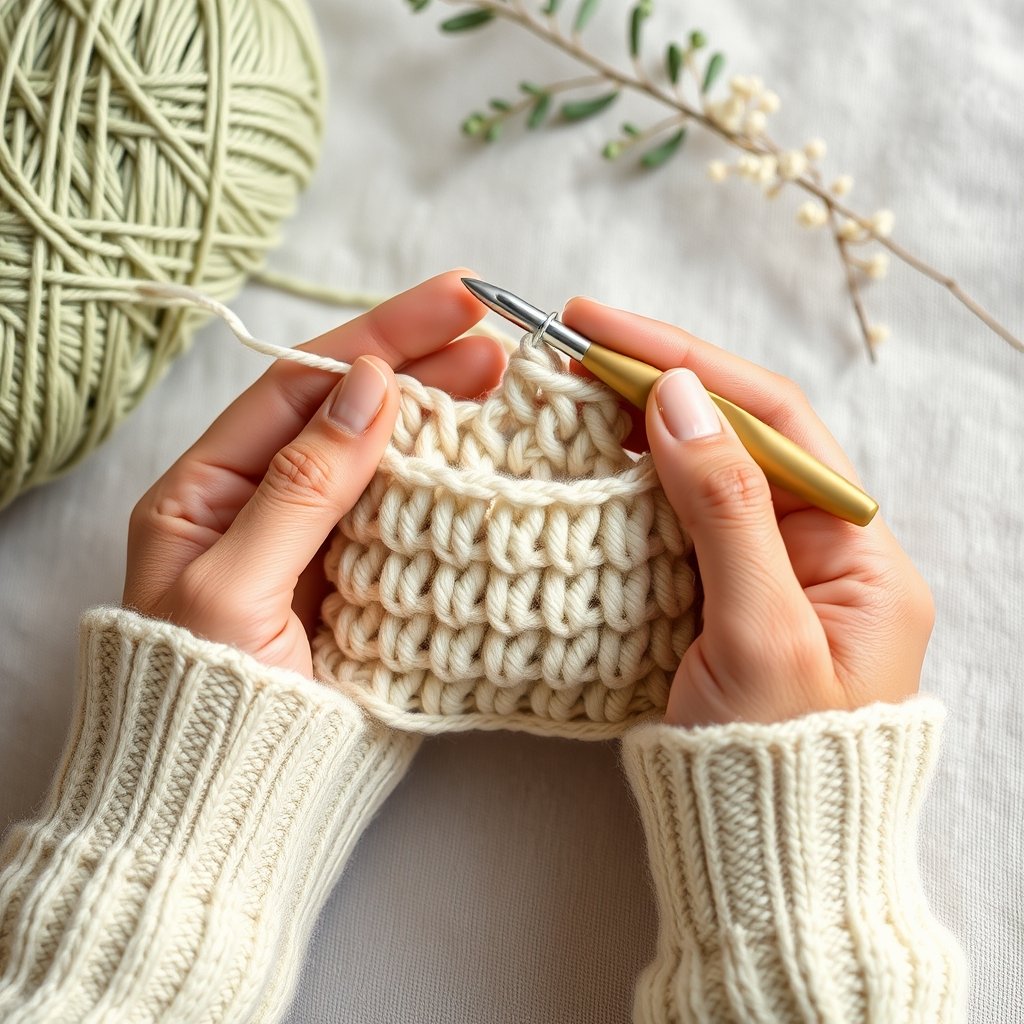
Yarn and hook choices have a major impact on the durability, appearance and accessibility of your crochet advent calendar project. Here’s what’s commonly recommended for confident beginners:
-
Yarn type:
- Choose a smooth, solid-color yarn for maximum stitch visibility—this is especially helpful when you’re repeating the same pocket shape many times and want a crisp finished result.
- Acrylic yarns (such as Lion Brand Vanna’s Choice) and cotton-blend yarns are both popular because they wash well and avoid pilling after repeated handling. Both can create sturdy, easy-care pieces.
- Worsted-weight (#4) yarn is a practical choice for beginners. It’s thick enough to see stitches clearly, easy to tension, and not too bulky for pocket assembly (Lion Brand beginner guide; Crochet.com).
-
Hook considerations:
- Most beginner guides recommend a 5.0 mm hook for worsted-weight yarns (though some retail kits, such as the Red Heart Advent Calendar, specify a 4 mm/US G-6 hook for a tighter, more compact finish—Yarnspirations kit details).
- Hooks with an in-line (straight) throat make it easier for beginners to keep stitch size consistent. An ergonomic handle can also help reduce fatigue during large projects (Lovecrafts hook guide).
-
Color and texture tips:
- Avoid dark shades or highly textured yarn as these make it much harder to see each stitch—something that can quickly frustrate beginners.
Always check which yarn weight your chosen pattern suggests, but if you’re picking your own yarn/hook combo, worsted-weight acrylic or cotton and a comfortable 5.0 mm or 4 mm hook are reliable, beginner-appropriate options.
Beginner-friendly stitches and common construction techniques
Nearly all easy crochet advent calendar patterns rely on the foundational crochet stitches taught in beginner resources:
- Chain (ch)
- Single crochet (sc)
- Slip stitch (sl st)
- Half-double crochet (hdc)
- Double crochet (dc)
- Treble crochet (tr)
The majority of simple patterns stick to single crochet and double crochet for their structure, taking advantage of their even appearance and strong fabric. Using squares or rectangles for pockets is very common—making it easier for beginners to manage size and shape.
Typical construction options:
- Separate pocket assembly: Make all pockets individually, then sew or slip-stitch them onto a large background panel. This gives flexible placement but can take more time during final assembly.
- Row/strip construction: Crochet long strips or panels, folding or joining in a way that creates pocket openings. This can be slightly faster but may offer less freedom to mix pocket styles.
As a beginner, watch for these common issues:
- Uneven tension: If your stitches are tighter or looser between pockets, finished sizes will vary.
- Gauge mismatch: Skipping a gauge swatch (if the pattern recommends one) can lead to unexpected pocket or panel dimensions.
- Lost count or row errors: Keeping careful track of stitch and row counts for each pocket (especially when making many at once) prevents unwanted size differences.
For foundational stitch tutorials and tips, the TwirlBloom step-by-step stitches guide covers these basics in plain language.
How pocket sizes and overall calendar dimensions vary (and what influences those choices)
One of the strengths of making your own reusable crochet advent calendar pockets is that you can tailor the size and shape to your needs. Here’s what factors into the dimensions you’ll choose:
-
Gift type and pocket contents:
- Bigger pockets are needed for small toys or card games, while candy and notes fit well in more compact designs.
-
Total number of pockets:
- Traditional calendars use 24 (Advent), 25 (Christmas Day included), or sometimes 12 (if only counting weekends or a “12 Days” theme).
-
Display format:
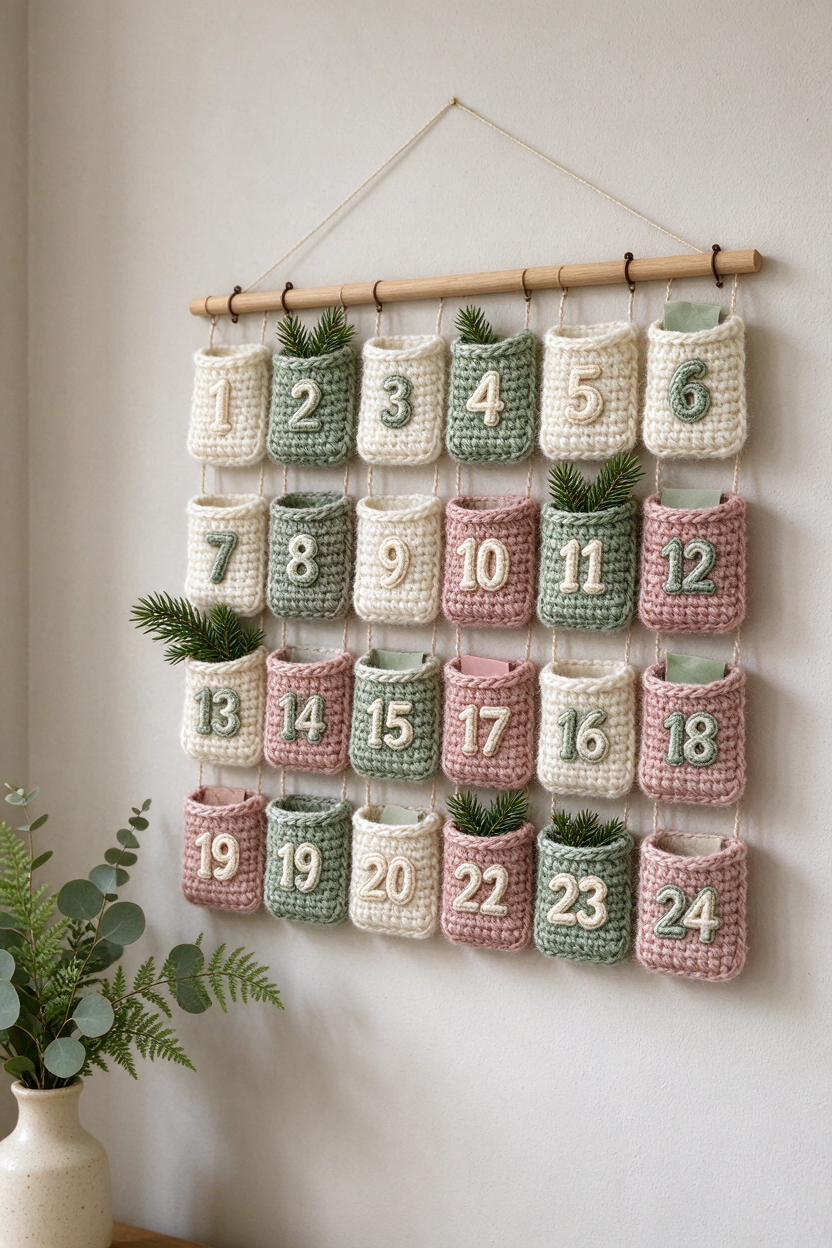
- Wall panels with pockets in rows, hanging banners with pockets as individual pouches, or tree-shaped layouts all require different pocket spacing and overall size.
-
Yarn weight, hook size, and gauge:
- Thicker yarns and larger hooks make bigger pockets per stitch; tighter stitches hold up better with repeated use but may yield smaller finished pockets. Patterns rarely standardize these details, so always check the pattern designer’s sizing guidance or plan your own swatch first. (No verified technical pocket-size standards found in research; adapt based on gift needs and display space.)
It’s usually easier to follow a pre-designed pattern if you want a specific look or size, but don’t be afraid to adjust your own dimensions thoughtfully—just remember that changing yarn, hook, or stitch count may affect overall consistency and assembly.
Practical tips to make pocket pieces sturdy, consistent and securely attached
Focusing on pocket durability and consistency will help your calendar look polished and last for years. For every easy crochet advent calendar for beginners, use this checklist:
- Maintain even tension—Try to use the same grip and yarn-holding method for each pocket; measure several finished pieces together before assembly.
- Reinforce stress points—If pockets will be tugged open or hold heavier gifts, consider extra rows or careful seaming on the top or side edges.
- Attach pockets with secure joins—Seam with a yarn needle (using a whipstitch or mattress stitch), or crochet pockets onto the base panel with slip stitches for a strong join.
- Optional enhancements—If the pattern allows, sewing in a thin lining, interfacing, or adding a fabric backing can improve pocket strength, especially for larger or deeply filled pockets.
These best practices don’t require advanced skills—just focus and an eye for evenness across each repeat piece.
Finishing, hanging and assembly steps commonly overlooked (durability-focused)
Strong finishing and smart hanging choices make a big difference in the longevity and enjoyment of your crochet advent calendar. Don’t skip these steps:
- Secure and block your work—Finish by weaving in yarn ends firmly using a yarn needle. If your base panel is rippled or pockets curl up, block them gently to shape and flatten for a professional look.
- Plan hanging methods carefully—Heavier calendars benefit from inserting a wooden dowel at the top, or attaching strong, evenly spaced loops across the back. This distributes weight and prevents sagging or excess stress on corners.
- Consider easy storage—Folding or rolling a blocked calendar made of machine-washable yarn makes seasonal storage simple and helps preserve its shape. Cotton or acrylic is especially practical for durability and care.
- Match materials to care needs—Choose cleaning methods that suit your yarn choice—machine-washable acrylic calendars especially suit families or frequent use.
Many quick overviews skip these details, but each step adds years to the useful life of your handmade holiday project.
Time-saving strategies and a realistic approach for beginners
Crocheting 24 or 25 matching pockets can feel daunting—but with a few practical strategies, beginners can finish a reusable calendar before December:
- Select a clear, beginner-labeled PDF pattern—Look for one with a detailed materials list and explicit stitch counts for each pocket or repeat piece.
- Batch work for speed and consistency—Make all pocket bases first, then move on to any decorations or closing flaps, then final assembly.
- Use familiar yarn/hook combinations—Worsted-weight acrylic or cotton and a 5.0 mm or 4 mm hook are common (and reduce the risk of rework due to missed gauge or inconsistent size).
- Set simple milestones—Depending on your schedule, aim for one or two pockets per day, or break the project into weekly mini-goals.
- Avoid overcomplicating decoration—Simple numbered circles or minimal embellishments keep the calendar looking coordinated and help you finish on time.
Keeping the process straightforward—and the design repeatable—will help you finish a project you’ll be proud to display each year.
Where to find good downloadable PDF patterns and how to choose one
The right crochet pattern makes all the difference between a project you love and one that causes frustration. Here’s how to evaluate downloadable PDF patterns for advent calendars:
-
Pattern selection checklist:
- Clearly labeled skill level (easy, beginner, etc.)
- Explicit materials list—including recommended yarn type/weight and hook size
- Photos or diagrams of finished pockets and overall layout
- Assembly and finishing notes—preferably with tips for joining pockets and hanging the finished piece
- Print-friendly PDF format for easy use at your craft table
-
Free vs. paid patterns:
- Free crochet advent calendar patterns are great for inspiration or practicing techniques, but may leave out helpful assembly photos or detailed support for calendar construction.
- Paid patterns—like TwirlBloom’s downloadable PDFs—often include extra photos, clearer material listings, and a beginner-focused structure, reducing surprises as you work. (Do not infer specific TwirlBloom pattern features unless product data gives them.)
-
TwirlBloom PDF patterns:
- If you want a simple, easy-to-download holiday project, browse TwirlBloom’s crochet PDF patterns. You’ll find a range of seasonal and beginner-appropriate designs ready to download and use.
- For a full overview of our selection, visit the TwirlBloom homepage or explore all crochet patterns in our shop.
Pattern PDFs that spell out steps, materials, and finishing in clear terms will give you the smoothest experience and best results—especially on your first “big” project.
Frequently Asked Questions
What yarn weight and hook are best for a beginner crochet advent calendar?
Worsted-weight (#4) yarn and a 5.0 mm hook are commonly recommended for beginners due to stitch visibility and handling ease. Some patterns or kits may suggest a 4 mm hook for a denser finish.
Can I make pockets large enough for small toys or just candy and notes?
You can size your pockets as needed—bigger for toys, smaller for candies or notes. Adjust the pocket dimensions based on your intended gifts, yarn weight, and pattern instructions.
How do I make sure all 24 pockets are the same size?
Make each pocket using the same yarn, hook, and stitch count, then measure as you go to check for consistency. Try to crochet all pockets with the same grip and tension for even results.
Are crochet advent calendars washable and how should I finish them for easy care?
Calendars made with acrylic or cotton-blend yarns are often machine-washable. Securely weave in ends and follow your yarn’s care guidelines for long-lasting, washable results.
How long should I allow to complete an easy advent calendar project?
The time required depends on your schedule and the pattern’s complexity. Many makers find batching pocket-making and setting simple weekly milestones helps meet a December deadline.
Where can I find a simple downloadable PDF pattern for a reusable crochet advent calendar?
You can find a wide selection of downloadable crochet PDF patterns in the TwirlBloom shop, including seasonal and beginner-friendly holiday projects.
Conclusion
Making your own crochet advent calendar is as much about the process as the result. By choosing durable yarns, beginner-appropriate hooks, and a clear, downloadable pattern, you can enjoy a project that’s both rewarding and practical—year after year. Ready to start your new holiday tradition? Explore Crochet PDF Patterns in the TwirlBloom shop to find your next favorite project.