

Starting your first project is often the most exciting (and sometimes nerve-wracking) part of learning to crochet. If you’re searching for easy crochet projects for beginners, this guide is designed to help you choose something you can complete with basic skills—and finish with pride. You’ll learn how to spot the simplest crochet patterns, what tools and stitches to master first, and how to avoid common pitfalls so your first creation goes smoothly. Whether you want instant-gratification projects or inspiration for your crochet journey, you’ll find all the practical guidance you need right here.
Key Takeaways
- Choose beginner crochet patterns that use two or three basic stitches and give row-by-row instructions for easily visible worsted-weight yarn.
- Start with small, quick projects—like dishcloths, coasters, or simple scarves—to build skills and confidence before moving to larger items.
- Before buying supplies, look for affordable medium-weight yarn and a matching hook in a light color for best results and stitch visibility.
- What makes a crochet pattern “easy” for beginners
- Most common beginner-friendly projects (quick wins)
- Essential stitches to learn first
- Yarn and hook buying guide for beginners (US/UK/CAN/AUS)
- How to read and follow downloadable PDF crochet patterns
- Most common beginner mistakes — and how to avoid them
- Time, size and complexity expectations for first projects
- Beginner-friendly finishing techniques
- How to choose the right simple pattern — a quick checklist
- Next steps and recommended starter resources
- Frequently Asked Questions
What makes a crochet pattern “easy” for beginners
Not all simple-looking patterns are truly suitable for those just starting out. The best easy crochet projects for beginners share a few key qualities:
- Minimal stitch variety: Beginner patterns rely on just two or three fundamental stitches (like single crochet or double crochet), reducing the learning curve.
- Clear, step-by-step instructions: Patterns guiding you row-by-row—with written directions and, ideally, photos or links to videos—make it easier to stay on track (source).
- No or minimal shaping: Projects made as simple rectangles or circles are more forgiving and don’t require learning tricky increases or decreases.
- Stitch visibility and yarn choice: Light or medium solid-color, worsted-weight (category 4) yarns make each stitch easy to see—helpful for learning and fixing mistakes (source).
- Printable PDFs with clear abbreviations: The best beginner crochet patterns for beginners include a glossary so you know exactly what each abbreviation means.
Choosing patterns that tick these boxes will maximize your enjoyment—and your chances of finishing your first project successfully.
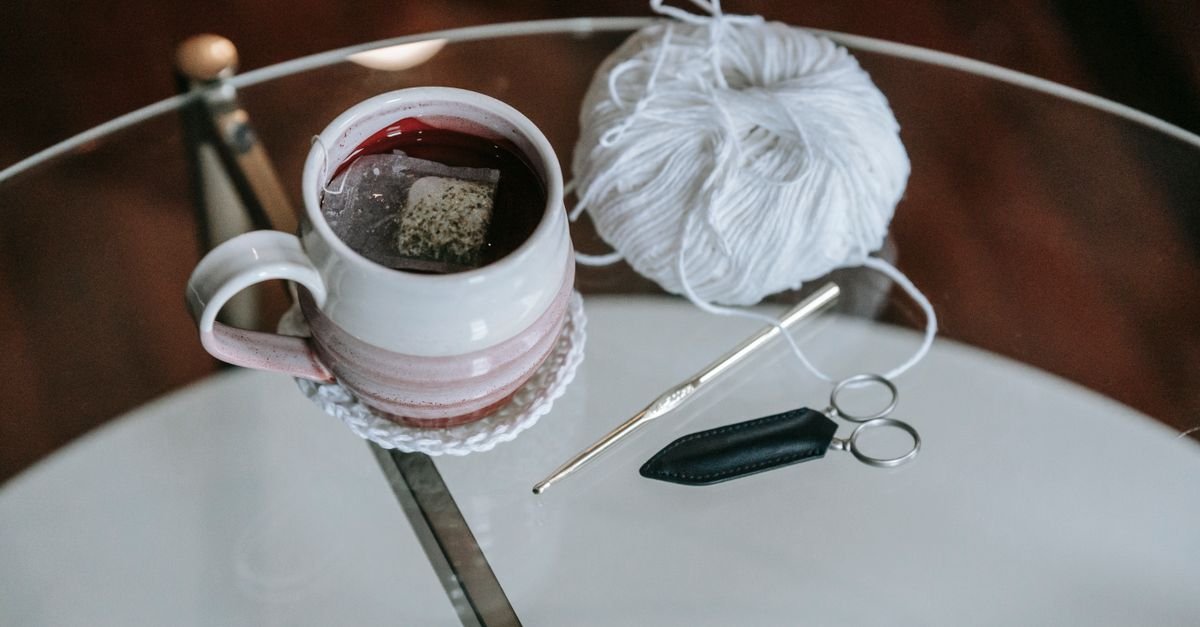
Most common beginner-friendly projects (quick wins)
If you want instant progress and a real project to show for your efforts, these beginner crochet projects come up again and again:
- Dishcloths: Small squares or rectangles, typically worked in single crochet or half-double crochet. They teach consistent tension and make natural, practical first pieces (source).
- Coasters: Even quicker than a dishcloth—these let you practice making rounds or squares and are finished in under an hour according to some sources.
- Scrunchies or Face-Scrubbies: Small, circular items using basic stitches let you experiment with working in the round, and are giftable.
- Simple Scarves: A long rectangle in double crochet is a classic first wearable. Minor tension wobbles hardly show, making this a confidence-building choice.
- Tote Bags: Many starter tote patterns are just two rectangles seamed together—quick to finish and practical for everyday use.
- Beginner Beanies: Look for hats made from a rectangle (seamed at the side and gathered at the top); they avoid shaping stitches but let you practice essential finishing skills.
All of these projects can be made (and remade) with just a skein or so of yarn, making them affordable and approachable. As you build skills, you can confidently advance to granny square blanket patterns or more complex designs.
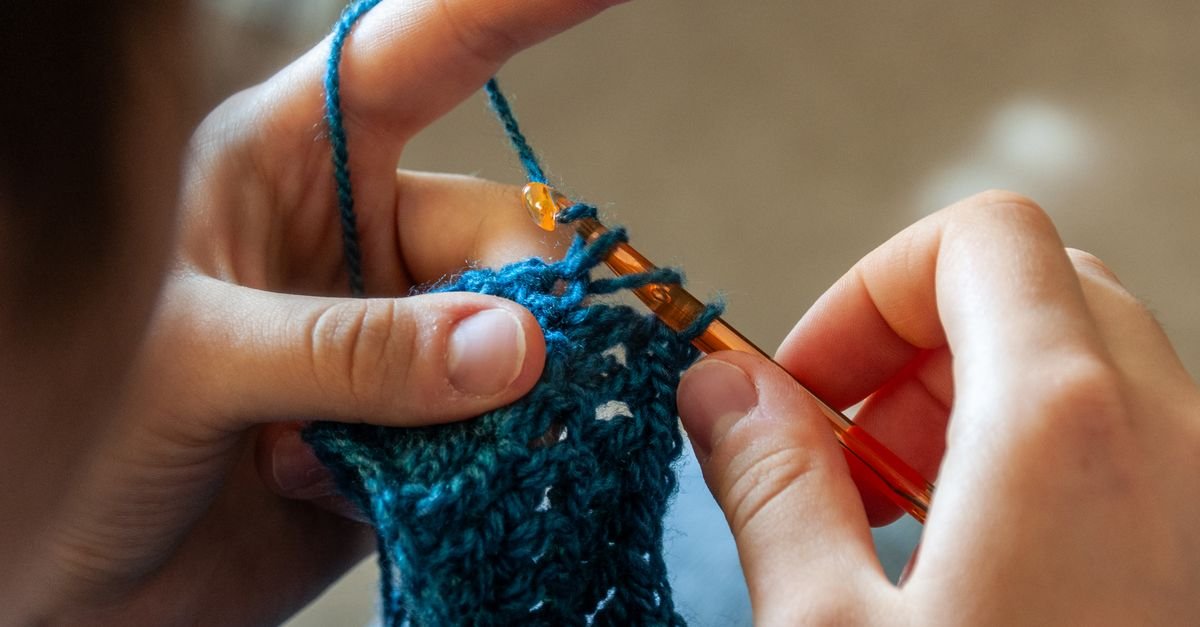
Essential stitches to learn first
You don’t have to memorize dozens of techniques. Mastering these six stitches will cover just about any simple crochet pattern for beginners (source):
- Chain (ch): The foundation for nearly every crochet project.
- Single crochet (sc): A short, tight stitch—great for dense fabrics like dishcloths.
- Slip stitch (sl st): Used for joining rounds and adding tidy edges.
- Half-double crochet (hdc): A bit taller, creating flexible fabrics.
- Double crochet (dc): A popular, quick-growing stitch for scarves and blankets.
- Treble crochet (tr): Even taller—useful for lacy or airy projects.
For best results, make a few short rows or swatches with each stitch until your hands feel comfortable and your stitches look even. Most beginner PDF patterns include a stitch glossary—keep it handy when starting out.
Yarn and hook buying guide for beginners (US/UK/CAN/AUS)
Your first trip to the yarn aisle can feel overwhelming. Here’s how to make sure your supplies set you up for success with easy crochet patterns:
- Yarn weight: Look for “worsted weight” or “category 4” yarn—a universal favorite for beginners (source). It’s thick enough to see, but not bulky, and makes keeping an even tension easier.
- Fiber: Smooth acrylic or cotton is widely available, affordable, machine-washable, and works well for nearly all beginner projects. Acrylic is soft with some give; cotton holds shape and is ideal for dishcloths.
- Color: Solid light or medium shades make stitches much easier to see (avoid black or very variegated colors for your first project).
- Hook size: Use the hook recommended on your yarn label. For worsted weight, most sources recommend 5.0 mm–5.5 mm (often labeled H-8 in the US and 6 in the UK), though always check your pattern and yarn guidance (source).
- Beginner kits: Some shops and craft stores offer kits bundling yarn, a hook, and a simple pattern to simplify your start (source).
Some beginner-friendly yarns mentioned by learning centers include Vanna’s Choice, 24/7 Cotton, and Wool-Ease. No matter where you shop (US, UK, Canada, Australia), worsted weight acrylic or cotton yarn is near-universal and suitable for your first attempts.
How to read and follow downloadable PDF crochet patterns
Working from a pattern PDF (such as those found in the TwirlBloom crochet pattern shop) may feel daunting at first, but a few tips will help you get started:
- Check the skill level and materials list first: Make sure you’re looking at a genuine pattern for beginners and have the yarn and hook size specified.
- Find the abbreviations/glossary section: All patterns use shorthand (e.g., “sc” for single crochet)—review unfamiliar terms before starting.
- Look for row-by-row instructions, not just charts: Beginners usually find written steps and photo guides easier to follow.
- Use pattern-friendly tools: Print out the instructions, or use a tablet/phone with bookmarks and image zoom. Many PDFs include handy visual step references.
- Watch for video links: Many beginner PDF patterns include links to quick tutorials. Take a break to practice any unfamiliar stitch or technique before moving on.
Taking it slow as you start—and not hesitating to make a tiny swatch for practice—can dramatically improve your project’s outcome.
Most common beginner mistakes — and how to avoid them
Every crocheter runs into minor snags, but a few mistakes are especially common for beginners. Here’s how to sidestep them:
- Misreading pattern abbreviations: Always read the full pattern and abbreviation list before starting.
- Uneven tension or changing stitch counts: Count your stitches at the end of every row, and use stitch markers at the beginning and end if needed. Don’t worry—scarf edges needn’t be perfect on your first try!
- Poor yarn or color selection: Hard-to-see colors and novelty fibers make learning harder. Stick with smooth, worsted-weight yarn in a light solid for early projects.
- Skipping finishing steps: Leaving yarn tails out or skipping simple blocking can make finished work look messier than it is. Learning to weave in ends and gently block your piece pays off in a polished result.
Most mistakes are part of the learning process, but small adjustments like these can help you avoid frustration and build confidence quickly. Scarves and other long, straight projects are especially forgiving if your tension varies.
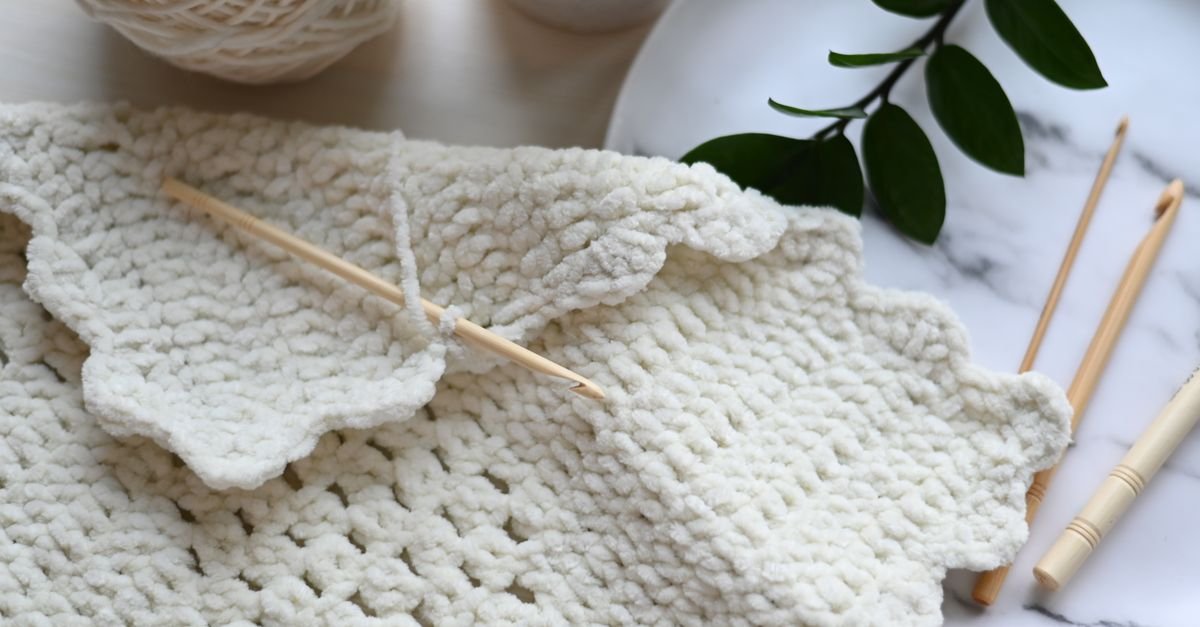
Time, size and complexity expectations for first projects
Setting realistic goals increases your chances of completing—and enjoying—your first piece. Based on reports from learning centers and major yarn brands:
- Small items (coasters, scrunchies, dishcloths): Often finishable in an hour or two, sometimes in a single sitting (source).
- Scarves and baby blankets: These usually require a few repeated crochet sessions, such as several evenings of relaxed crafting. Best reserved for those who don’t mind a multi-day project.
- Complexity cues: Projects with more than three different stitches, specialty shaping, or large size are best saved for later.
Especially for your very first try, aim for a pattern that can be completed—and celebrated—in just a couple of evenings. Quick wins foster motivation for more ambitious projects later on.
Beginner-friendly finishing techniques
Even simple beginner crochet projects benefit from a few easy finishing steps:
- Weaving in ends: Use a blunt needle to gently work yarn tails back into your stitches, hiding them securely.
- Blocking: Some items (like coasters or scarves) look and lie better if you dampen and shape them flat. Blocking isn’t always critical for your first piece, but it’s a good basic to learn early.
- Joining and seaming: If your project has two panels or an edge to finish, look for patterns explaining basic seaming or border techniques. Even a simple slip stitch border can tidy up your work.
With just a few extra minutes spent on these techniques, even a straightforward project can look neat, sturdy, and gift-ready.
How to choose the right simple pattern — a quick checklist
When searching for your first pattern (including beginner PDF patterns), use this checklist to ensure a frustration-free start:
- Uses no more than three different stitches, clearly listed up front
- Minimal to no shaping (simple rectangles, squares, or circles)
- Provides step-by-step, row-by-row written instructions (not just a chart or photo collage)
- Includes a glossary of abbreviations
- Recommends common worsted-weight yarn—and matches your available hook size
- Ideally designed as a one-skein project, or otherwise sized for beginners
Red flags to watch for:
- Complex stitch patterns not explained in the pattern glossary
- Specialty yarn requirements or colorwork not suitable for first projects
- Charts or graphs without written instruction for each row/round
Consider what you most want from your first crochet experience: something wearable (try a scarf), a home gift (coasters or dishcloths), or a simple beginner blanket pattern. Matching the pattern to your interests and available time will boost your satisfaction—and odds of finishing!
Next steps and recommended starter resources
Once you’re ready, pick a project from your checklist—dishcloths, coasters, or a classic scarf are excellent first options. Many beginners find success starting with a simple pattern PDF supported by clear instructions and visual aids. If you want to remove the guesswork altogether, explore beginner kits from local retailers that include yarn, a hook, and an easy pattern (source).
Supporting yourself with video stitch tutorials or quick reference guides can make following your first downloadable pattern smoother and more enjoyable. As you start, focus on building your muscle memory and confidence—mistakes are simply part of learning!
Ready to pick your first project? Browse beginner-friendly PDF patterns to find downloadable patterns that use just a couple of basic stitches and easy-to-find worsted-weight yarn. You’ll be joining the handmade community in no time.
Frequently Asked Questions
What are the easiest crochet projects for absolute beginners?
Dishcloths, coasters, and scrunchies are widely considered the most beginner-friendly projects. They use only basic stitches and finish quickly, helping build confidence.
Which crochet stitches should I learn before starting my first project?
The six key stitches are: chain, single crochet, slip stitch, half-double crochet, double crochet, and treble crochet. Mastering these will let you complete most beginner patterns.
What yarn and hook should a beginner buy first?
Most sources recommend worsted weight (category 4) yarn in a light, solid color with a smooth texture. Pair it with a 5.0–5.5 mm hook, following the yarn label’s suggestion.
How do I read common abbreviations in a downloadable PDF pattern?
Always check the pattern’s glossary section for abbreviation meanings. Most beginner patterns use standard shorthands like “sc” for single crochet and “dc” for double crochet.
How long does a simple beginner project usually take to finish?
Small projects like coasters or dishcloths can often be finished in 30–60 minutes. Simple scarves or blankets typically take several sessions, depending on your pace.
What finishing steps should a beginner learn right away?
Weaving in ends with a blunt needle and basic blocking (shaping your finished project) are the simplest, most valuable finishing skills to master early on.