A crochet advent calendar is a rewarding seasonal project that adds both festive décor and meaningful tradition to your home. This guide gives you practical insights into the most popular crochet advent calendar styles, beginner-friendly stitch and pocket choices, material tips for durability, and real-world techniques for creating reusable pockets that look neat and last year after year. If you’re considering making your first advent calendar or comparing crochet pattern options—whether free or paid PDFs—this article will help you plan, choose, and finish a calendar that suits your skills and your family’s holiday traditions.
Key Takeaways
- Most advent calendars fall into three main crochet styles—pocket panels, hanging stockings, or small container ornaments—with reusable, refillable pockets at the heart of each.
- Basic crochet stitches (chain, single crochet, slip stitch, and half-double) are beginner-friendly and work well for strong, even pockets.
- Cotton and acrylic DK or worsted yarns are commonly recommended for reusable advent calendar pockets; always check your chosen pattern’s material list and make a swatch first for consistent results.
- Popular types of crochet advent calendars (and how pockets work)
- Best crochet stitches and beginner-friendly techniques for advent calendar pockets
- Yarn, hook and size guidance for durable, reusable pockets
- Pocket construction and finishing methods to ensure uniform, secure pockets
- What makes a pattern beginner-friendly vs. intermediate/advanced
- Where to find free and downloadable crochet advent calendar patterns (what to expect)
- Personalization ideas: themes, colorwork and family adaptations
- Common beginner mistakes and step-by-step troubleshooting
- Quick checklist before you start (materials, tools, and planning)
- Frequently Asked Questions
Popular types of crochet advent calendars (and how pockets work)
When planning a crochet advent calendar, the design you choose affects both the look and how practical it is to use year after year. Most popular patterns—both free and paid—fall into three categories:
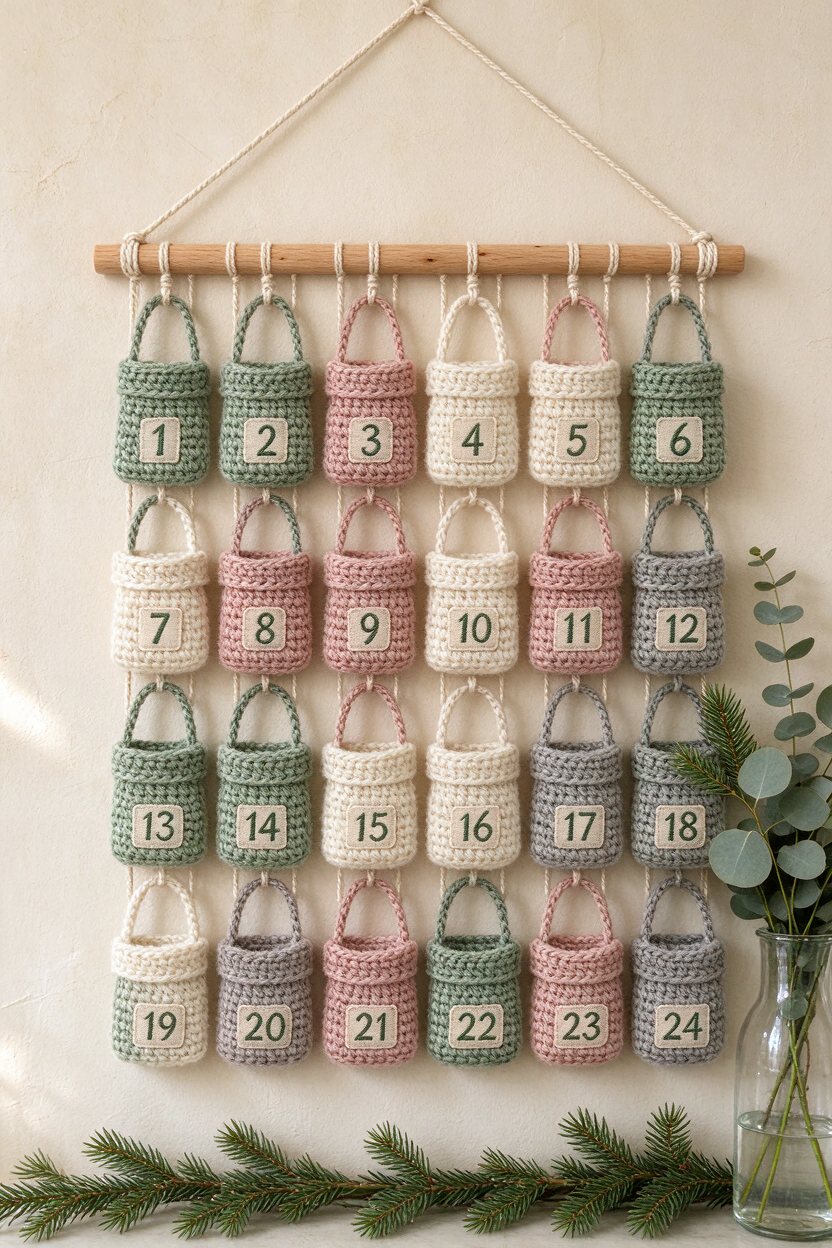
- Pocket panels: A flat base (often a rectangle or tree shape) with individual pockets sewn or crocheted on in a grid or rows. Each pocket can be filled with a treat or note. This style is ideal for visibility and works well on walls or doors.
- Hanging mini stockings or bags: Twenty-four (or sometimes 25) small stockings, mittens, or bags hang from a string, garland, or tree. Each is a mini project. Pockets are usually top-opening and can be hung together or separately for daily countdown interaction.
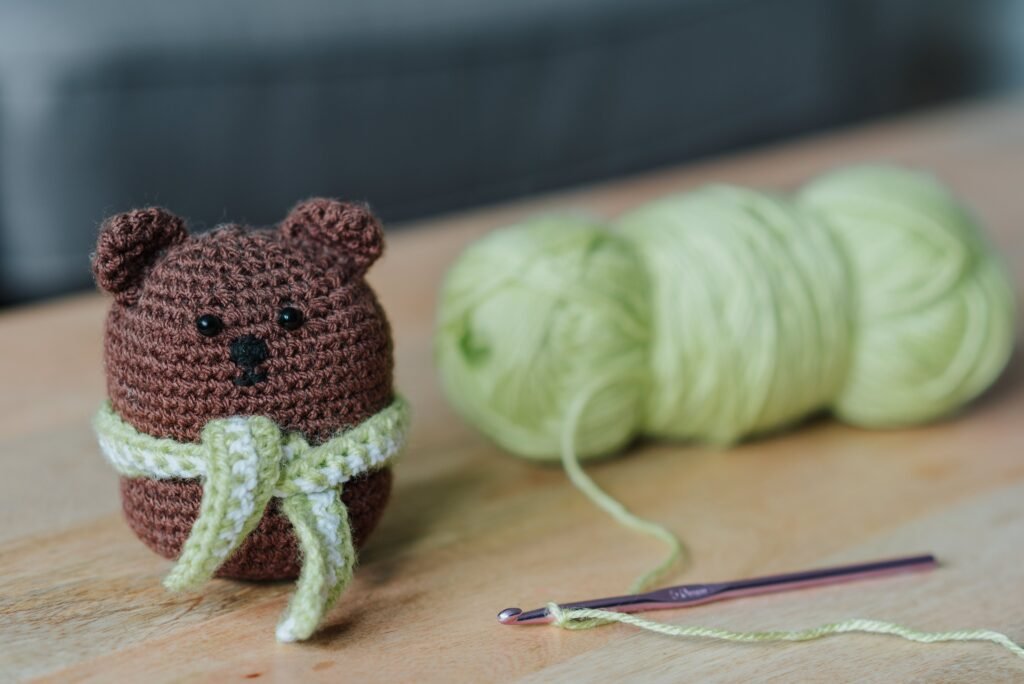
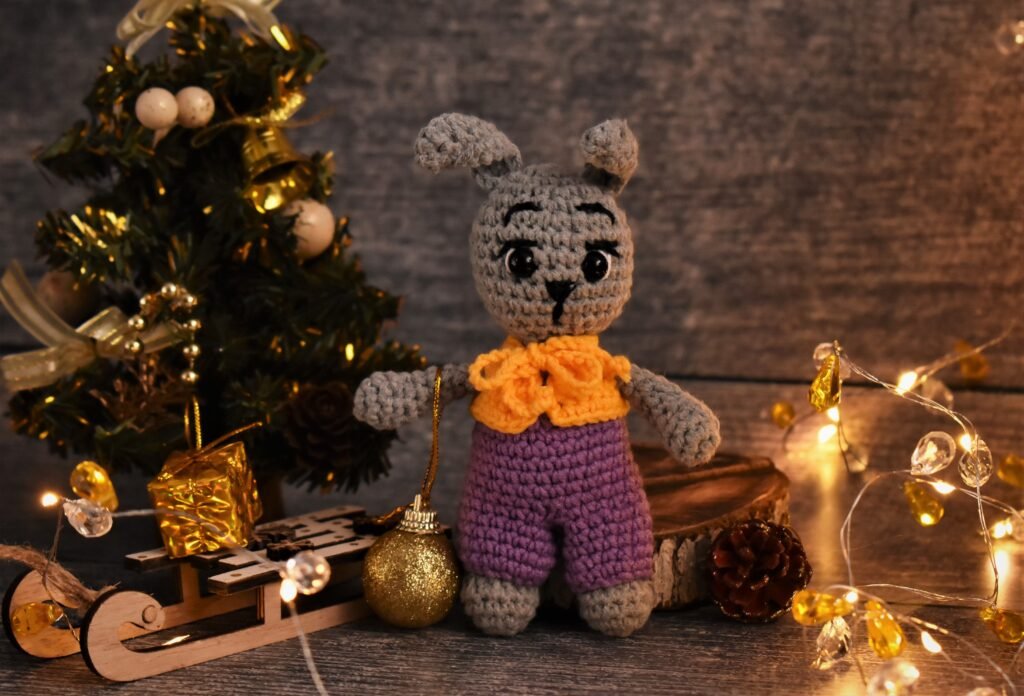
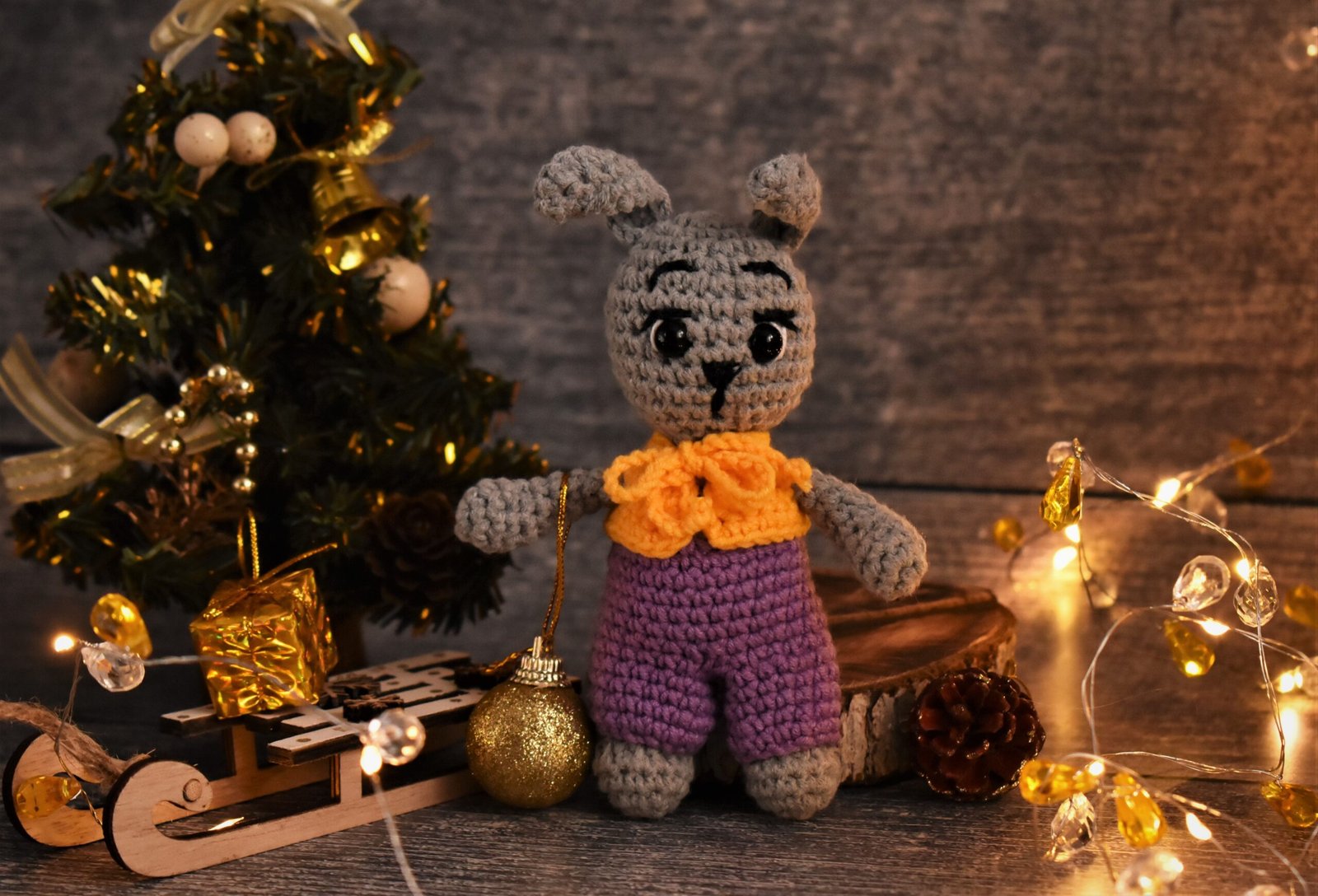
- Amigurumi or countdown ornaments: Small crochet figures (like stars, trees, or animals) double as tiny containers or have a hidden opening for a treat. This option is decorative and fun for custom themes, but often requires more assembly or shaping skills.
You’ll find most reusable crochet advent calendars use open-top pockets, but some include:
- Flaps: To hide the treat and give a neat look
- Button-and-loop or drawstring closures: For extra security when filling multiple days ahead
For truly reusable pockets, sturdy fibers like cotton or acrylic blends are most common, as they resist stretching and can withstand gentle washing and repeated refilling. Each style can be adapted for countdowns (25 days) or smaller traditions—just check your chosen crochet pattern for the exact pocket count.
Best crochet stitches and beginner-friendly techniques for advent calendar pockets
If you’re new to making functional pockets or containers, the good news is that almost all beginner crochet stitches are suitable for sturdy advent calendar pockets. The six fundamental stitches—chain (ch), single crochet (sc), slip stitch (sl st), half-double crochet (hdc), double crochet (dc), and treble (tr)—form the basis for most pocket designs (source).
For pocket walls and strength at seams, single crochet (sc) and slip stitch (sl st) are most commonly used. These stitches create a tight, dense fabric that keeps small treats safely inside and stands up to repeated use. If adding a flap or preparing the pocket edge, a simple round of slip stitches can help prevent stretching over time.
- Straight rectangles: The simplest pocket style—just a flat rectangle, folded and seamed at the sides and bottom—requires no advanced shaping.
- Mini bags or stockings: Use just increases and decreases for shaping (often explained step-by-step in the pattern), but still rely on basic stitches.
When attaching pockets to a panel or main backing, you’ll usually see two beginner options:
- Sewing with a tapestry needle and yarn
- Slip-stitch seaming with your crochet hook
To reduce frustration, watch your tension (don’t over-tighten stitches when joining) and make a practice pocket first—this helps you identify size or shaping issues before finishing all 24 pockets. For more about foundational stitches, visit this step-by-step stitch guide.
Yarn, hook and size guidance for durable, reusable pockets
The yarn and hook you choose will determine how sturdy and reusable your calendar is year after year. While every crochet pattern suggests its own materials, here are commonly recommended options (see source):
- DK-weight cotton or acrylic blends: These are popular for their balance of strength, easy stitch definition, and comfortable feel.
- Worsted-weight yarn: Many beginner guides and patterns suggest worsted for easier handling and visibility, especially when learning stitches or making larger pockets.
- Hook size: It’s common to see a recommendation for an H-8 (5.0 mm) hook on worsted yarn for clarity, but always check your chosen pattern’s requirements and make a gauge swatch to ensure your pieces are the intended size (source).
Trade-offs to consider:
- Tighter stitches (smaller hook/denser fabric): increase pocket durability but may make it harder to fit treats inside.
- Looser stitches (larger hook/flexible yarn): easier to stretch but risk stretching out under repeated use.
- Cotton vs. acrylic: Cotton holds structure best and is easy to wash, while acrylic is soft and affordable but may stretch slightly more over many uses.
Not sure which to choose? Review your pattern’s material list and make a small swatch using your selected yarn and hook to test for sturdy, consistent fabric. For more on yarn qualities and selecting supplies, check beginner resources like Crochet.com.
Pocket construction and finishing methods to ensure uniform, secure pockets
The satisfaction of a crochet advent calendar lies in its neat, uniform pockets that survive multiple holiday seasons. Here’s how to give each pocket a polished look and lasting strength:
- Consistency is key: Make your first pocket as a template—either by following exact row/stitch counts from your pattern or by comparing against a paper cutout or ruler. Use the same yarn, hook, and tension for every pocket to keep sizes matching visually.
- Edging and trim: Work a round of single crochet or slip stitch around each pocket’s opening for stability and a clean edge—even a simple border helps prevent stretching and keeps shapes crisp.
- Reinforce joins: When sewing or slip-stitching pockets to your panel, avoid distorting the backing by pinning pockets in place first and checking alignment. Consider adding extra stitches across corners and stress points, or use a backstitch method with yarn for extra strength.
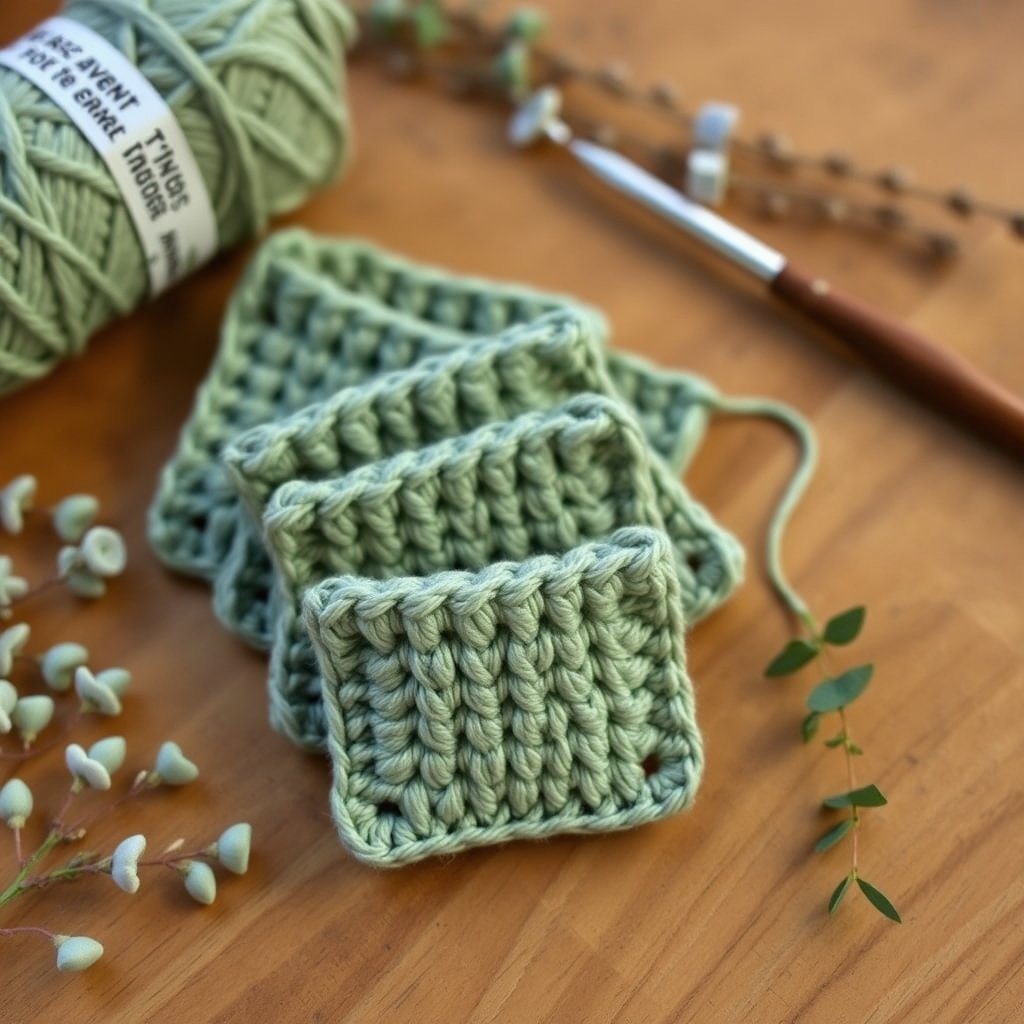
- Blocking (optional): Some fibers (especially cotton) benefit from light blocking—wetting and pinning squares flat—before joining, to help pockets stay square and even (see more about blocking).
- Care considerations: Choose materials you can gently wash if needed, and handle with care when storing to avoid misshaping pockets.
Uniform pockets make filling and using your calendar more enjoyable—and help your finished project stand out as a cherished holiday heirloom.
What makes a pattern beginner-friendly vs. intermediate/advanced
Crochet advent calendar patterns can range from ultra-simple to highly detailed. Here’s how to read a pattern description and pick something realistic for your skill level:
Beginner-friendly pattern signs
- Focuses on basic stitches only (chain, single crochet, slip stitch, and sometimes half-double/double)
- Pockets are straight-edged rectangles, squares, or simple shapes (minimal shaping)
- Step-by-step photos or stitch count guides included
- No advanced colorwork or complex shapes
- Clear instructions for joining pockets (not just “attach as desired”)
Intermediate/advanced pattern signs
- Amigurumi elements (crocheted 3D shapes, animals, or ornaments with faces)
- Intricate shaping (decreases, increases, or working in the round with seamless joins)
- Colorwork techniques (intarsia, overlay, mosaic, or detailed surface crochet)
- Detailed applique or embellishments worked separately and attached
- Sparse pattern instructions, or assumes advanced skills (e.g., “join invisibly” with no guidance)
Red flags for frustration:
- No photos or visual guides
- Pattern assumes experience with invisible seams, joining-in-round, or advanced techniques
- Unexplained abbreviations/missing materials lists
If you’re building confidence, stick to patterns with clear terminology and plenty of visual support. For tips on choosing manageable patterns for your skill level, explore our guide to crochet patterns for beginners.
Where to find free and downloadable crochet advent calendar patterns (what to expect)
Ready to pick a pattern? There’s no shortage of inspiration out there. Here’s where to look and what to consider:
- Free patterns: Many blogs and pattern hubs offer free crochet advent calendar patterns, especially for mini stockings, basic pocket panels, or small bags. Some reputable collections include LoveCrafts and Yarnspirations.
- Downloadable PDFs: Many designers and shops—like TwirlBloom—offer PDF crochet advent calendar patterns for purchase. These usually provide improved formatting, printable instructions, high-resolution photos, and consolidated assembly guides—especially useful for multi-piece or larger projects.
Before downloading or buying, review the pattern description for:
- Skill level (look for “beginner” or “easy” tags if you’re just starting)
- Clear materials and tool lists (does it specify yarn type, hook size, and pocket construction steps?)
- Number of days/pockets included (classic is 24 or 25—some patterns are customizable)
- If the pattern specifically supports reusable pockets
Explore more holiday and seasonal patterns in the TwirlBloom crochet pattern shop for PDF options that fit your style and skill level.
Personalization ideas: themes, colorwork and family adaptations
One of the pleasures of making a crochet advent calendar is tailoring it to your own holiday traditions or decor style. Here are easy, low-effort ways to personalize your calendar:
- Color choices: Use contrasting rows, color blocks, or different colored pockets to suit your home’s palette or holiday traditions.
- Appliqués and accents: Add simple shapes—stars, snowflakes, hearts—and sew them to pockets. Consider attaching number tags or crocheting small motifs for daily countdown flair.
- Non-crochet elements: Sew on buttons, small ribbons, wooden beads, or even miniature charms to help the calendar stand out.
- Pocket size: If you need to fit larger gifts or treats, choose a pattern designed for bigger pockets; avoid enlarging without adjusting all pieces, as proportions may be affected.
- Fiber and color matches: Select yarns that coordinate with your existing seasonal décor—think classic reds and greens, snowy whites, or modern muted tones for a custom, cohesive look.
Personalization doesn’t have to involve advanced crochet skills—sometimes a subtle color choice or a thoughtful little addition makes the calendar uniquely yours.
Common beginner mistakes and step-by-step troubleshooting
Crochet advent calendars involve multiple repeating pieces, which means a mistake on one pocket can add up. Here are frequent beginner issues and how to avoid or fix them:
- Inconsistent pocket sizing: Use your first finished pocket as a template. Pin pockets in place for visual alignment and check with a ruler if needed.
- Miscounted days: Create a written checklist or use numbered stitch markers as you work. Double-check before final attachment.
- Pockets too tight: If you struggle to fit even a small treat, check your tension—is it pulled too tightly? Make a test pocket and try different hook sizes if needed.
- Uneven attachment: Lay out all pockets first before sewing or slip-stitching. Reposition as necessary—finished pieces can often be carefully removed and reattached without harming the backing.
- Weak seams: Reinforce high-stress areas (like pocket corners) with extra stitches or backstitching using sturdy yarn.
Quick troubleshooting steps:
- Block or steam bend out-of-shape pockets to even them up
- Re-sew or reinforce a pocket if it feels loose
- If you’ve made one pocket the wrong size, designate it as a “special treat” day or remake it before final assembly
Be patient—crochet is a craft where practical adjustments are normal, not failures. For more confidence-building projects and troubleshooting tips, see our easy crochet projects for beginners roundup.
Quick checklist before you start (materials, tools, and planning)
Start your crochet advent calendar project smoothly by preparing the essentials:
- Choose a pattern (free or paid) that matches your skill level and pocket needs
- Collect recommended yarn and crochet hook specified by the pattern
- Make a small gauge swatch with your chosen yarn and hook to test stitch size and tension
- Plan how to number or label your pockets (crochet numbers, applique, tags, or stickers)
- Decide in advance how you’ll attach pockets—sewn-on, slip-stitched, or integrated as you go
- Set aside space and time for repetition—multi-pocket projects may take longer than expected
Planning ahead saves time, reduces frustration, and helps ensure a reusable calendar you’ll be proud to display and use every year.
Frequently Asked Questions
What are the easiest crochet advent calendar styles for a first-time maker?
Pocket panels with simple rectangular pockets or a series of mini stockings using only basic stitches are typically the easiest options for beginners.
Which stitches make the most durable pockets for an advent calendar?
Single crochet and slip stitch are widely used for creating strong, dense pocket walls that hold their shape with repeated use.
Can I make reusable pockets that hold small treats repeatedly—and what yarns are best?
Yes—using sturdy fibers like cotton or acrylic in DK or worsted weight increases durability. Always follow your chosen pattern’s material recommendations for best results.
Where can I find free crochet advent calendar patterns and when should I buy a PDF?
Many blogs and pattern hubs offer free patterns for pocket panels and mini stockings. A downloadable PDF is helpful for larger or more detailed calendars because it includes printable, consolidated instructions and high-quality images.
How do I keep my pockets even and aligned across a panel design?
Use your first finished pocket as a template for the rest, and pin or lay out all pockets before attaching. Checking alignment before sewing helps prevent uneven rows.
What should I do if I miscount days or attach a pocket in the wrong place?
If you catch the error before final assembly, carefully remove and reattach the pocket. If the calendar is already finished, consider assigning a “bonus” or “special treat” day, or adjust numbering with tags.
Conclusion: Making a crochet advent calendar is an achievable project that lets you combine creativity with family tradition. By choosing reliable stitches, suitable yarn, and beginner-friendly techniques, you’ll create a calendar that lasts—and is treasured—season after season.
If you’re ready to get started or want more inspiration, browse TwirlBloom’s crochet PDF patterns for advent calendars and other handmade holiday projects.