A crochet advent calendar is more than just a festive countdown—it’s a practical, reusable project that lets families and crafters personalize the holiday experience. This guide will help you compare the main crochet advent calendar styles, discover the best free patterns, and start an enduring project with clear material and assembly advice. If you’re looking for an advent solution that can hold much more than chocolate year after year, you’ll find everything you need to make an informed, joyful start here.
Key Takeaways
- Crochet advent calendars offer lasting, customizable alternatives to single-use store-bought versions.
- Pocket, stocking, and amigurumi styles each suit different skills and timeframes—choose the format that fits your needs.
- Consistent sizing, sturdy seams, and the right materials are essential for creating a reusable, family-friendly calendar.
- Why choose a crochet advent calendar (vs. traditional)
- Three common crochet advent calendar formats — pros, cons, and who they suit
- Best free crochet advent calendar patterns online — examples and how they compare
- Essential skills, stitches, and techniques beginners should know
- Choosing yarn, hooks, and materials for a reusable calendar
- How to make pockets consistent, sturdy, and long-lasting
- Personalization and decoration ideas
- Assembly, hanging, and practical challenges — troubleshooting and solutions
- How to choose the right downloadable pattern (what to look for)
- Quick project planning checklist (pre-start)
- Frequently Asked Questions
Why choose a crochet advent calendar (vs. traditional)
Crocheting your own advent calendar opens up options that store-bought versions rarely offer. A crochet advent calendar is designed to be reusable for many years—unlike cardboard or plastic calendars that end up as waste each December. The pockets and structure can be gently hand-washed, stored flat or rolled, and easily mended if needed.
A major advantage is the ability to fill each day’s pocket with whatever suits your family, such as:
- Handwritten notes or riddles
- Activity prompts (movie night, baking day, crafts)
- Mini toys, stickers, hair clips, or craft supplies
- Non-food items, great for allergy-friendly celebrations
Beyond practicality, a crochet advent calendar can become a treasured part of holiday decor—personalized with colors and embellishments that fit your home, and designed to last as a sentimental heirloom. Compared to one-time-use options, the long-term value and personal touch make a strong case for crocheting your own.
Three common crochet advent calendar formats — pros, cons, and who they suit
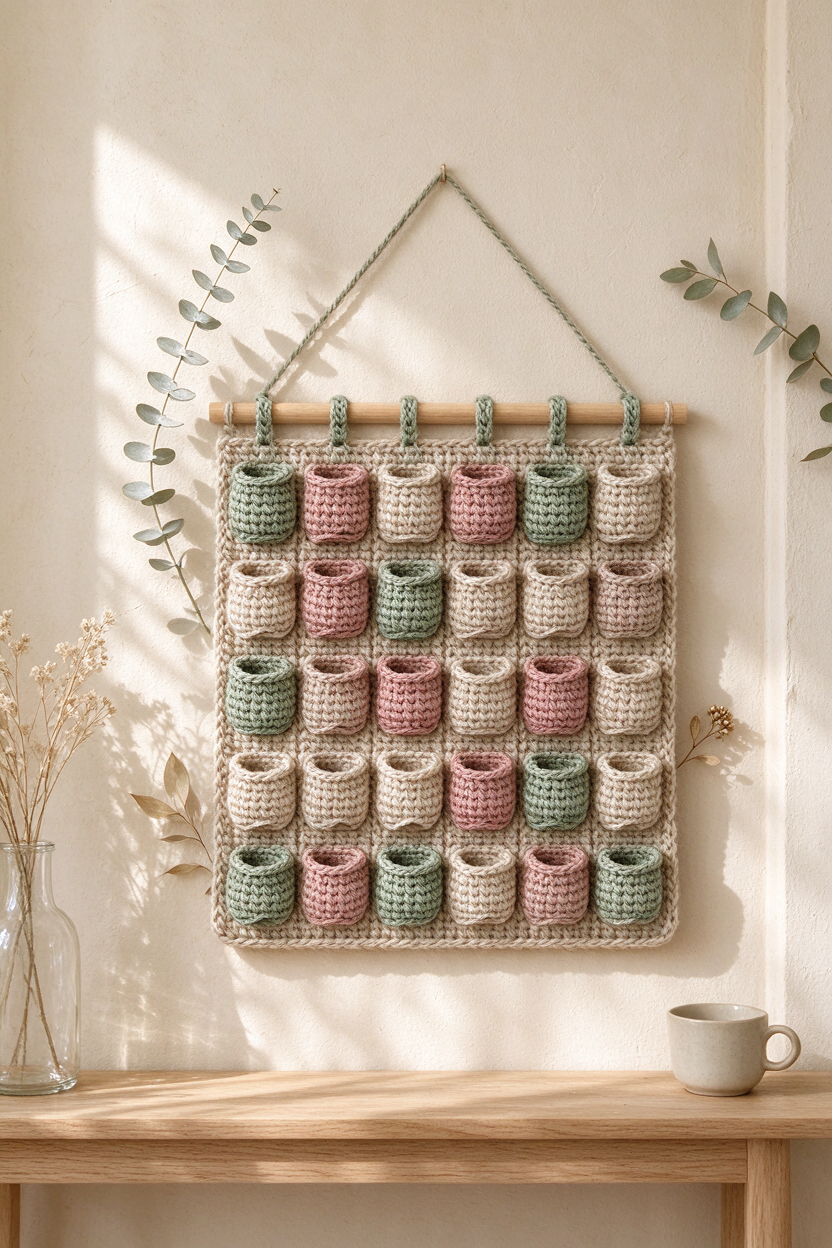
Before picking a pattern, consider the three main crochet advent calendar formats. Each has its own advantages, challenges, and best uses, depending on your crochet experience and how you want to display the final project.
| Format | How It Works | Pros | Cons | Best For |
|---|---|---|---|---|
| Pocket Panel | Rectangular backing panel with sewn-on pockets (often 24) |
|
|
|
| Bunting/Stocking Garland | 24 mini stockings or booties strung along a cord |
|
|
|
| Amigurumi Figure Set | 24 crocheted toys or figures, often with pockets or hidden compartments |
|
|
|
Choosing the right format comes down to how much time you can commit, the skills you’re comfortable with, and how you’d like to display and fill your calendar. Pocket panels are practical and beginner-friendly; garlands add whimsy and flexibility; amigurumi is best for those ready for a creative challenge.
Best free crochet advent calendar patterns online — examples and how they compare
There are dozens of free crochet advent calendar patterns online. Here are standout examples in each major style, along with a practical look at their construction and skill requirements:
- Pocket-style:
- Little Doolally’s Christmas Gift Bags – These free intermediate patterns provide mini drawstring bags, which can be used as individual pockets clipped to a backing, strung as a garland, or presented in a basket. They use basic stitches with simple construction, but require making and finishing 24 neat pieces.
- Bunting/stocking garland:
- Kippers Ning’s Xmas Tree Boot Decoration – A repeating pattern for boot-shaped pouches, meant to be strung on a cord as a festive garland. It’s a playful take that lets you crochet in short sessions, and is also labeled intermediate level.
- Amigurumi/figure-based:
- Advent calendars featuring miniature amigurumi toys (such as those listed in roundups like Top 9 DIY Advent Calendars) can be found as downloadable PDFs. These patterns use magic ring starts and simple embroidery, but generally require more advanced shaping and assembly.
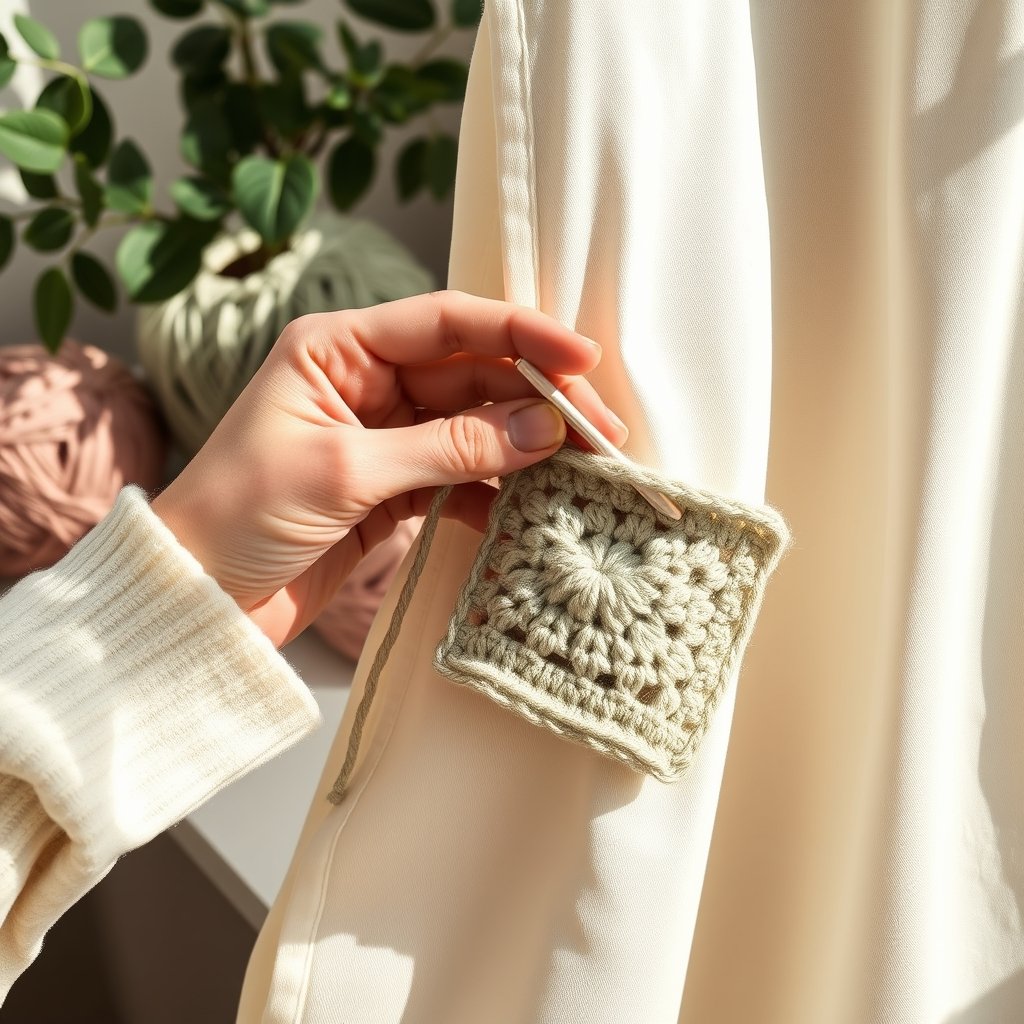
When reviewing patterns, note the labeled skill level (usually beginner, confident beginner, or intermediate), whether a printable PDF is available, and if there are step-by-step images or written explanations. Free patterns generally offer written instructions and sometimes assembly diagrams, but clarity varies—downloadable PDFs frequently provide the best print-at-home experience.
Essential skills, stitches, and techniques beginners should know
If you’re a confident beginner aiming to make an easy crochet advent calendar, you’ll want to be comfortable with the following skills. For absolute beginners, it’s a good idea to practice these core techniques on a swatch or simple project before starting a full calendar. For more stitch basics, see this stitch guide.
- Double crochet (dc): Most pocket panels and bunting calendars rely on double crochet worked in rows or rounds as the fabric base.
- Consistent stitch and row counting: Essential for making 24 pockets or shapes that are the same size.
- Simple sewing or seaming: Attaching pockets to a backing panel or stringing pieces on a cord.
- Magic ring and invisible decreases: Needed for amigurumi-style calendars to create seamless, shaped figures.
- Surface embroidery (optional): For numbering, facial features, or decorative details on pockets or figures.
Beginner caution: Inconsistent tension can make pocket sizes vary. Weak seams may not hold up to daily use. If your pattern uses advanced techniques (such as for amigurumi), take time to practice before starting the main project.
Choosing yarn, hooks, and materials for a reusable calendar
For a calendar that stands up to seasonal use, select materials that balance durability, washability, and a finished look you love. Follow your chosen pattern’s requirements, but these general guidelines can help:
- Cotton yarn: Adds structure to pockets so they hold their shape year after year; flat panels especially benefit from cotton’s crisp look.
- Acrylic yarn: Makes for a lighter, faster, and typically more washable project—ideal for families expecting lots of handling by children.
- Display considerations: Weight and color choice matters—choose colorfast yarn for bright shades and consider whether your finished calendar will hang or lie flat.
- Other supplies: Buttons, cords, or dowels are often needed for hanging; a simple fabric lining or interfacing gives extra strength to pockets if your pattern recommends it.
It’s important to review the pattern for any specific yarn recommendations or hook sizes, as these details vary. When in doubt, crochet a test swatch to check fabric stiffness and see how your yarn behaves after gentle hand washing.
How to make pockets consistent, sturdy, and long-lasting
Getting all your reusable crochet advent calendar pockets to look (and perform) their best comes down to a few practical habits:
- Count stitches and rows carefully for every pocket or stocking. Don’t assume muscle memory—mistakes easily creep in by the 15th repeat.
- Block or gently measure your pockets before attaching them. This helps ensure each one matches and assembles neatly for a professional look.
- Reinforce seams and secure loose yarn ends. Use a strong join for attaching pockets (such as whipstitch or slip stitch) and weave in ends fully to avoid unraveling with repeated use.
- Consider a simple fabric or felt lining for high-wear calendars. This can protect the inside of pockets, especially if you plan to use small toys with sharper edges.
Care and storage tips: After each holiday season, hand-wash the calendar gently, allow it to dry flat, and store it rolled in tissue paper or a soft bag. If your calendar includes removable ornaments, label a small bag or box to help keep everything together until next December.
Personalization and decoration ideas
A crochet advent calendar is a perfect canvas for personal creativity. There’s no need to stick to classic Christmas colors—tailor your project to your decor, your kids’ favorite themes, or holiday activities you enjoy. Need inspiration?
- Color palettes: Try traditional red & green, cozy neutrals, Scandi-inspired greys, or a plaid look (buffalo-check mini stockings are especially popular, as seen in patterns by plaid specialists like these examples).
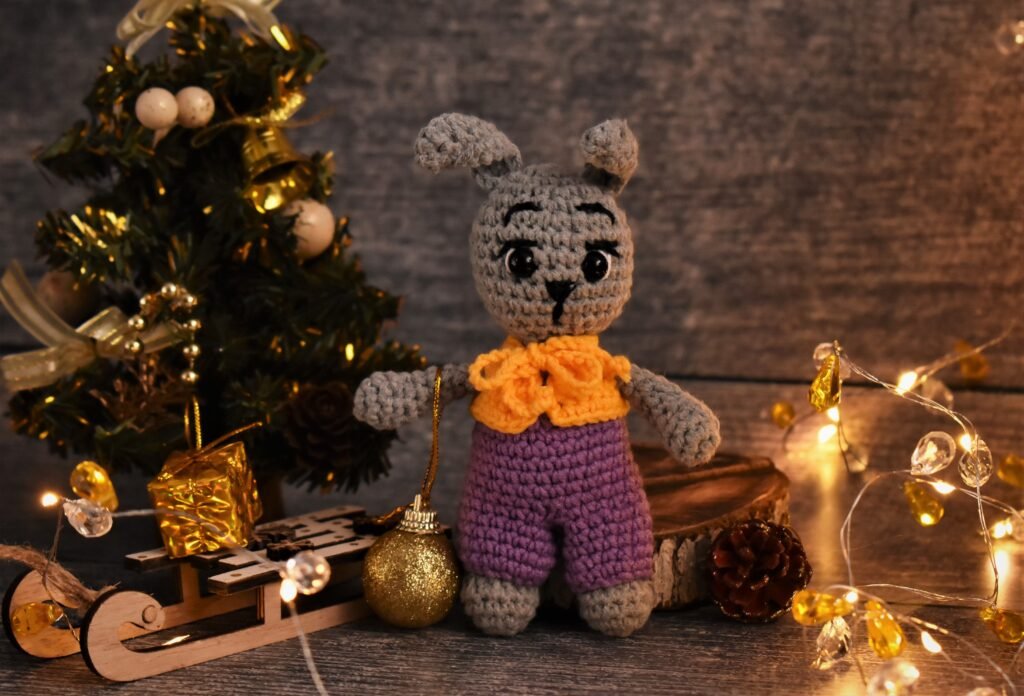
- Themes: Create a fairytale or woodland scene using amigurumi figures; design each pocket to hold a clue or activity; number pockets with felt or crocheted numerals for a crisp finish.
- Embellishments: Add simple appliqués (stars, trees, snowflakes), edge pockets with picots, or attach small pom-poms, tassels, or jingle bells. Surface embroidery can also personalize each pocket.
- For kids: Interchangeable pockets (button-on or clip-on) or labeled tags can make the calendar feel interactive, and are easy to swap out as family needs change.
The most meaningful calendars are those you customize to your family—so enjoy making it your own!
Assembly, hanging, and practical challenges — troubleshooting and solutions
Mounting and using your crochet advent calendar in real life can present a few practical puzzlers. Here’s how to handle common issues:
- Hanging methods: A wooden rod or dowel works well for pocket panels and helps distribute weight evenly. For garland styles, a sturdy cord or ribbon can hang across a mantel, banister, or doorway. Wall hooks, with removable adhesive, also provide flexibility for seasonal displays.
- Weight balance: If pockets sag or pull, adjust their spacing or reinforce backing with an extra row for stability. Keep pocket fillings lightweight—avoid overfilling to prevent stretching or misshaping.
- Pocket variation fixes: If a few pockets turn out too small or large, you can relocate them to less prominent spots, block them back to shape, or use them as “bonus” or “filler” pockets.
- Long-term care: Regularly check for loose seams, and label or bag removable ornaments. Hand-wash and dry thoroughly before storing flat or rolled to keep the calendar in good condition for years to come.
How to choose the right downloadable pattern (what to look for)
With so many crochet advent calendar patterns available as downloadable PDFs, it’s important to choose one that matches your skills and expectations. Here’s a checklist for pattern selection:
- Skill level labeling: Patterns clearly marked “beginner,” “easy,” or “intermediate” let you assess suitability before you start.
- Construction details: Check if the pattern is for a pocket panel, stocking garland, or amigurumi set. See how many pieces you’ll need to make, and what the assembly steps involve.
- Supporting materials: Good patterns include step photos, clear abbreviations, assembly diagrams or schematics, and a print-friendly PDF format.
- Pattern terms/licensing: Free patterns are often for personal use only. Confirm that a downloadable PDF is provided if you prefer to work from a printout.
Before purchasing or downloading, glance at reviews or previews (if available)—and remember to check required materials so you can gather everything before starting. If you’re searching for more patterns across different calendar formats, browse crochet patterns in the TwirlBloom Shop.
Quick project planning checklist (pre-start)
A little preparation makes the difference between a rushed project and a joyful tradition. Here’s a simple checklist to get started:
- Choose your preferred advent calendar style and download your chosen pattern.
- Read the pattern fully, double-checking for required yarn/fiber, hooks, and notions.
- Practice any unfamiliar stitches or techniques on a swatch before beginning the main pieces.
- Decide how you’ll store the finished calendar, and plan what you’ll put inside each pocket or stocking.
- Start early, especially for projects with many pieces—late summer or autumn is ideal for amigurumi sets, while pocket calendars can comfortably be started in early November.
Frequently Asked Questions
How is a crochet advent calendar different from a store-bought one?
A crochet advent calendar is reusable and customizable, so you can fill pockets with notes, toys, or activities instead of only sweets. It’s made to last for years and can be stored and washed for future use, making it a practical, sentimental alternative to disposable calendars.
Which advent calendar style is best for beginners?
Pocket panel calendars are usually the easiest for beginners. They use basic stitches and straightforward assembly, making them ideal if you are comfortable with double crochet and simple sewing.
Can I make a reusable advent calendar that’s washable?
Yes. Using acrylic or cotton yarn makes your crochet advent calendar more washable. Hand washing is recommended to keep the pockets and structure looking fresh year after year.
How do I keep 24 pockets the same size?
Carefully count stitches and rows for each pocket. Blocking or gently steaming your pockets after finishing helps match their shape and size. Using the same yarn type and tension throughout also improves consistency.
What should I put inside crochet advent calendar pockets for kids and families?
Small toys, stickers, craft supplies, activity notes, or holiday jokes are great alternatives to candy. Choosing items that suit your family’s interests makes the countdown more special and inclusive.
How early should I start an advent calendar project?
For pocket calendars, early November is usually enough time. If you’re making 24 small amigurumi figures or detailed projects, it’s best to start in summer or early autumn.
With its reusability and endless customization options, a crochet advent calendar is a practical and heartfelt project that can be enjoyed year after year. Whether you’re just starting or looking to create a new family tradition, you can compare formats and patterns with confidence—and enjoy a rewarding handmade countdown.
If you’re ready to find a crochet pattern that fits your holiday vision, browse crochet PDF patterns for advent calendars and more in the TwirlBloom Shop.