If you’re curious about making your own crochet advent calendar, you’re not alone—these playful countdowns are one of the most rewarding (and reusable) holiday projects in the crochet world. In this guide, you’ll get a clear, side-by-side look at the main crochet advent calendar formats, learn what stitches and supplies work for sturdy, reusable pockets, and gain practical tips for choosing a free crochet advent calendar pattern that genuinely fits your skills and schedule. By the end, you’ll know how to compare styles, avoid common beginner pitfalls, and confidently plan a calendar you’ll use for years to come.
Key Takeaways
- Most crochet advent calendars fall into three styles: pocket panels, hanging stockings, and amigurumi ornaments, each with different time and skill needs.
- Cotton and acrylic yarns are commonly used for durable, machine-washable pockets; gauge and material choices affect pocket sturdiness.
- Reliable free patterns are available, but beginners should look for clear instructions, practical assembly guidance, and basic stitch usage.
- What is a crochet advent calendar — quick overview
- Types of crochet advent calendar patterns — pros, cons and how they differ
- Beginner-friendly stitches and techniques used in easy advent calendar patterns
- Best yarn types and how to choose a hook for durable, reusable pockets
- Common beginner mistakes and how to avoid them
- Where to find reliable free crochet advent calendar patterns and how to choose one
- How to personalize a crochet advent calendar while keeping it beginner-friendly
- Planning the project: breaking a calendar into manageable steps
- Finishing and assembly techniques for a sturdy, reusable calendar
- Frequently Asked Questions
What is a crochet advent calendar — quick overview
A crochet advent calendar is a handmade calendar designed to count down the days until Christmas, with pockets or containers for small gifts, treats, or notes. Unlike disposable store-bought versions, crochet calendars are sturdy, customizable, and meant to be used year after year. There are three main formats:
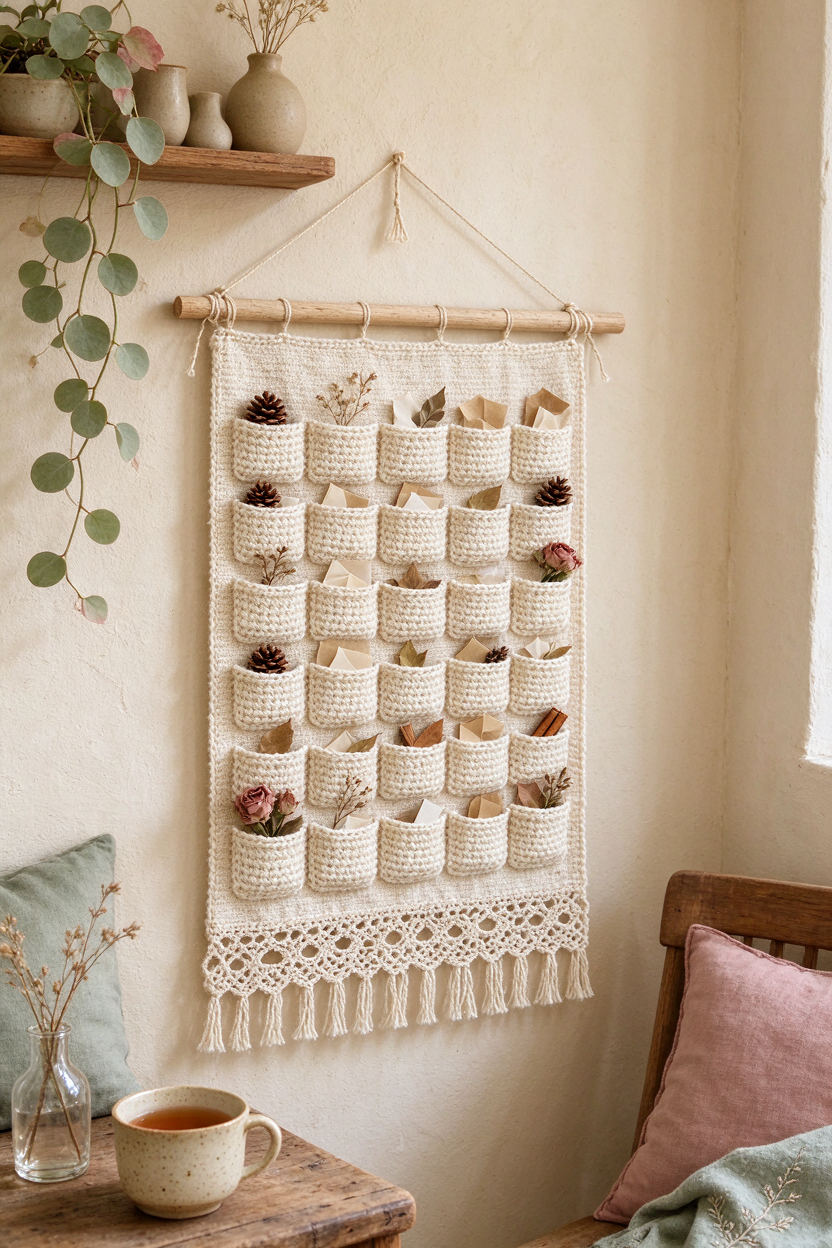
- Pocket panels: Flat rectangles or banners with several attached crochet pockets for each day’s surprise.
- Hanging stockings/boots: Sets of mini stockings or bags that can be strung on a garland or hung individually.
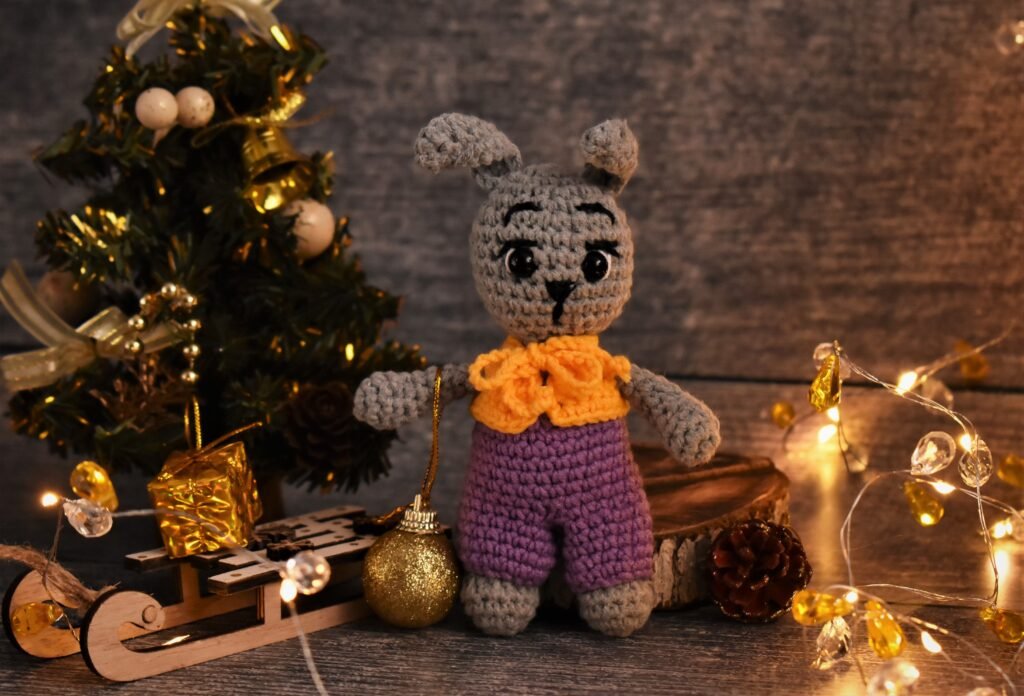
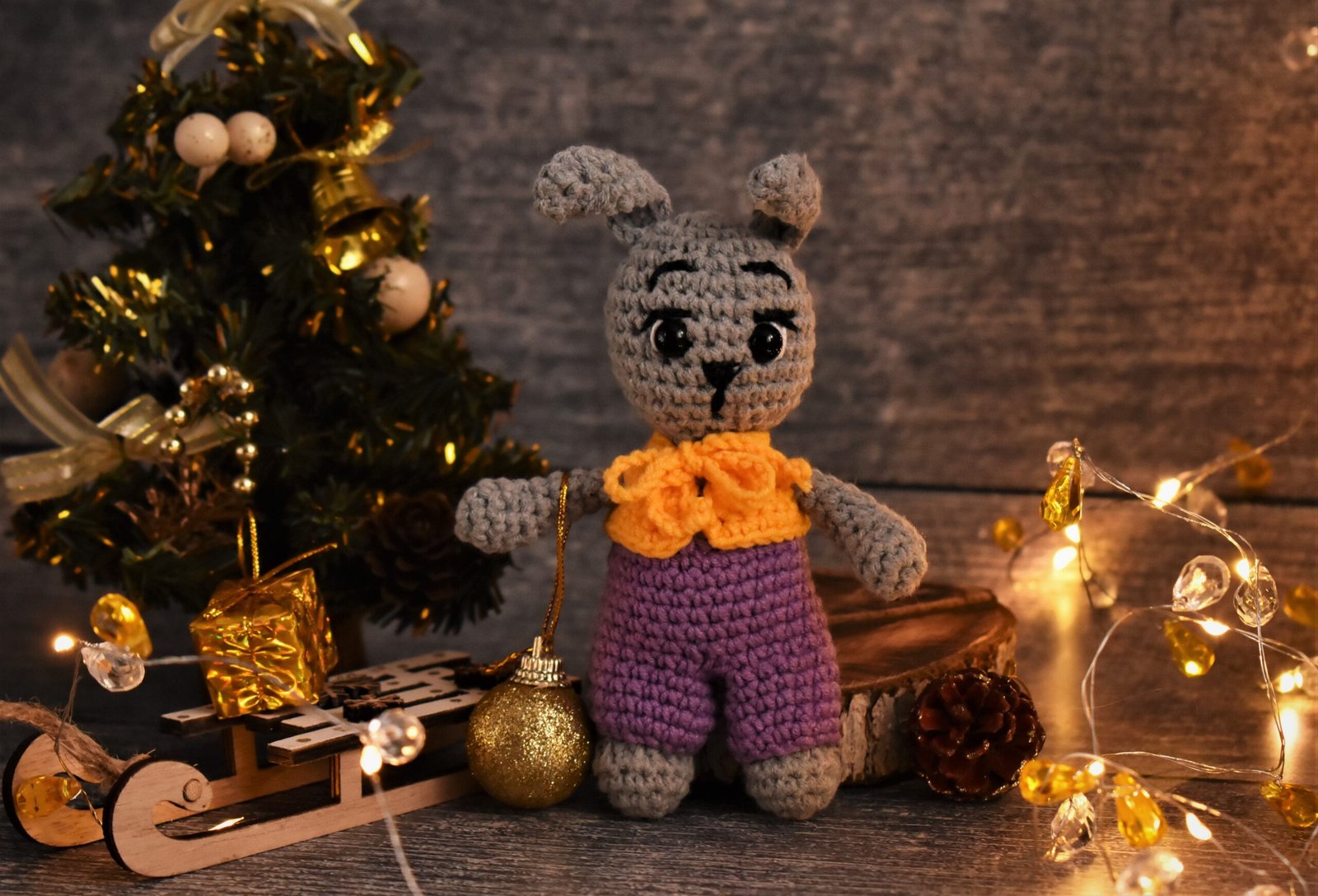
- Amigurumi ornaments: Sets of 24 tiny stuffed figures or motifs, each marking a day, to hang or display as you count down.
Each format holds gifts like chocolate, toys, or handwritten notes, and most patterns are intended for reusability—one of the major advantages over single-use advent calendars (LoveCrafts).
Types of crochet advent calendar patterns — pros, cons and how they differ
Choosing the right crochet advent calendar pattern starts with understanding the differences between the main types:
| Type | Description | Pros | Considerations |
|---|---|---|---|
| Pocket Panel Calendars | One large piece (rectangle, tree, banner) with 24+ pockets attached or integrated. |
|
|
| Hanging Stockings/Booties | 24 mini 3D stockings or bags strung on a garland or displayed individually. |
|
|
| Amigurumi Ornaments | 24 small crochet toys or motifs, sometimes designed to fit into pockets or to hang as decorations. |
|
|
Time, assembly, and storage needs differ for each style. Pocket panels tend to be the least demanding option for confident beginners, while amigurumi calendars offer more challenge and variety (LoveCrafts).
Beginner-friendly stitches and techniques used in easy advent calendar patterns
Most easy crochet advent calendar for beginners patterns rely on the foundational stitches you likely already know or are learning:
- Chain (ch): The basis for almost every crochet project.
- Single crochet (sc): Creates a firm, dense fabric—ideal for strong pockets.
- Slip stitch (sl st): Useful for joining and finishing edges.
- Half double crochet (hdc), double crochet (dc), treble crochet (tr): Add height and variety, often used to speed up the build or add texture.
Most patterns work in rows (for panels and pockets) or rounds (for stockings and amigurumi elements). Basic shaping may involve simple increases (adding stitches) or decreases (combining stitches), and attaching pockets or stocking pieces often calls for basic whipstitch, mattress stitch, or crocheted seams.
If you choose amigurumi-style ornaments, expect to add skills like stuffing pieces and sewing features in place—these projects are still approachable for adventurous beginners who are ready to practice some finishing (Lion Brand).
For more on the six basic stitches, you can visit TwirlBloom’s step-by-step crochet stitch guide.
Best yarn types and how to choose a hook for durable, reusable pockets
The right yarn and hook combination is essential for creating reusable crochet advent calendar pockets that last. Here’s how to make choices that work for both beginners and repeated use:
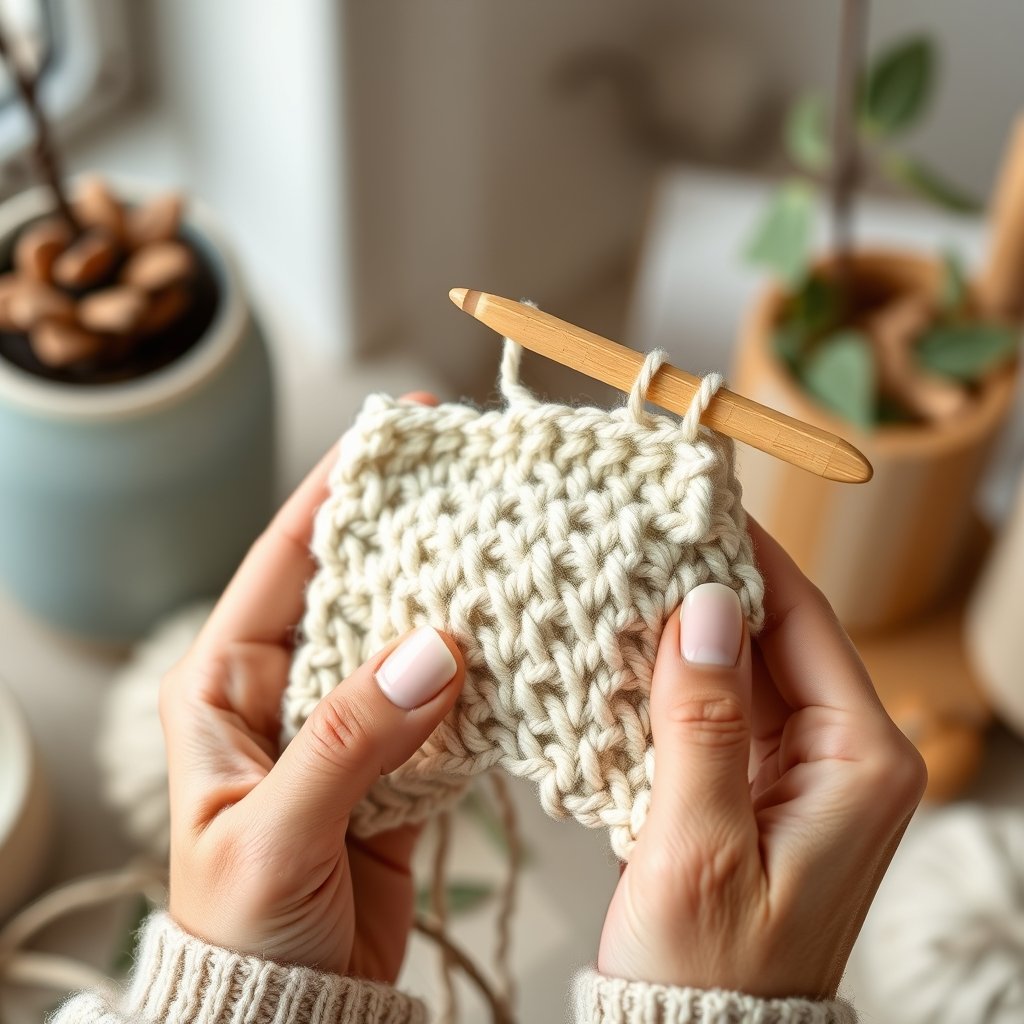
- Fiber: Cotton and acrylic are the most-recommended fibers in advent calendar patterns. Cotton makes sturdy, easy-to-clean pockets, while acrylic is lightweight, colorfast, and washes well (LoveCrafts).
- Yarn weight: Patterns vary. Always check the pattern’s suggested yarn and consult the yarn’s label for recommended hook sizes and gauge.
- Fabric density: Aim for a fabric tight enough that small treats won’t stretch out the pocket, but not so stiff it’s hard to work. Swatch a small pocket or rectangle and test placing a treat inside.
- Durability tips:
- Choose a plied yarn if possible, as it pills less and offers better shape retention.
- If you want a machine-washable calendar, confirm the yarn label says “machine washable”.
- Pick colorfast shades to prevent color transfer or fading after multiple holidays.
- Match your hook size to both the yarn and pattern guidance—crocheting too loosely can result in saggy pockets (Yarnspirations).
For more about crochet yarn types and picking the right hook, see TwirlBloom’s stitch and yarn guide.
Common beginner mistakes and how to avoid them
Even the simplest easy crochet advent calendar for beginners can get tripped up by a few universal pitfalls. Watch for these issues and try these fixes for a smoother project:
- Choosing a pattern too advanced: Start with a pocket panel or simple mini bag design built from rectangles, not complicated 3D shaping.
- Inconsistent tension: Practice your stitches with a small swatch first. Use stitch markers and count rows to keep pocket sizes consistent.
- Weak seams or poor assembly: Take time with finishing steps. Use sturdy joining methods (like mattress stitch or a neat whipstitch), and consider blocking pieces to shape before sewing together.
- Pockets don’t fit the treats you want: Test size by laying a piece of cardboard or a finished swatch alongside your chosen gifts before making all 24 pockets.
Taking a little extra time to check each part up front can help you finish a calendar you’re genuinely happy with—no last-minute frustration.
Where to find reliable free crochet advent calendar patterns and how to choose one
There are many sources for a free crochet advent calendar pattern, but quality and clarity can vary. Here’s what to look for:
- Major pattern sites: LoveCrafts hosts a mix of free and paid advent calendar patterns—including curated panels, stockings, and ornament collections. Yarnspirations also has free seasonal crochet projects. Many designers share free patterns on their own blogs or through roundup posts (example roundup).
- Selection checklist:
- Clearly labeled skill level (look for “beginner” or “easy”)
- Full material and tool list
- Clear photos—both of the entire calendar and of individual steps when possible
- Complete written instructions and standard crochet abbreviations
- Assembly directions (joining pockets, attaching hangers, applying numbers)
- Be cautious with incomplete freebies: Some free downloads skip key steps or are missing assembly guidance. When in doubt, prefer patterns from trusted designers or large pattern directories.
If you’re eager for more fun projects, browse TwirlBloom’s curated pattern guides for beginners.
How to personalize a crochet advent calendar while keeping it beginner-friendly
One of the joys of making your own calendar is customizing the design to match your style or recipient. Even if you’re new to crochet, you can try these beginner-friendly tweaks:
- Color changes: Use a palette that fits your decor or holiday theme, alternating colors for each pocket or toy.
- Appliqués or motifs: Add basic shapes (stars, hearts, circles) made with simple stitches, then sew them to pockets.
- Pocket size tweaks: Make some pockets roomier by increasing the number of starting stitches or rows—test with a swatch to keep sizing proportionate to your pattern.
- Edging and trims: A basic single crochet or slip-stitch border can make pockets look tidier and more finished; simple tassels, pompoms, or buttons add playful touches.
- Numbering without advanced techniques: Attach felt or fabric numbers, embroider the dates, or tie on numbered tags if you’re not ready for surface crochet.
Personalization doesn’t have to add technical difficulty—sometimes a color or decorative choice gives your calendar a truly unique feel.
Planning the project: breaking a calendar into manageable steps
With 24 (or occasionally 25) units to make, breaking the build into small, repeatable tasks will reduce overwhelm—especially for your first calendar.
- Start with a swatch: Make a test square or small pocket to check fabric density and confirm the right size for your treats.
- Batch production: Work all pockets, stockings, or motifs in “assembly-line” mode—this builds muscle memory and keeps sizes more uniform.
- Assemble in sections: Attach pockets to the panel or string stockings together once all units are complete, rather than one at a time.
- Add finishings last: Wait to add any trims, numbers, or decorations until the main build is assembled.
Additional planning tips:
- Set a realistic pace, such as a few pockets or motifs per session, rather than attempting the full project at once.
- Keep your pieces labeled or sorted if you’re numbering each pocket/unit.
- Use the same workspace and lighting to keep colors and stitches consistent.
Finishing and assembly techniques for a sturdy, reusable calendar
Sturdy finishing ensures your reusable crochet advent calendar pockets last for many celebrations. Focus on these areas as you assemble:
- Seaming and joins: Use seaming techniques such as mattress stitch or neat whipstitch to securely attach pockets or stuffing opening closures. Reinforce hangers and stress points by adding an extra row of stitches or sewing over the join again.
- Edge finishing: Stabilize pocket openings with a border of slip stitch or single crochet for tidier edges and less stretching.
- Blocking: Wet or steam block finished pockets or motifs before assembly to even out seams and help all pieces lay flat or hold shape.
- Laundering and storage: Always check yarn care instructions. Most cotton and acrylics are machine-washable, making cleanup at season’s end simple. Store the finished calendar flat and—if it includes stuffed pieces—stuff pockets lightly with tissue or fabric pieces to maintain their shape between uses.
Great finishing is what transforms a quick crochet build into a long-lasting heirloom holiday decoration.
Frequently Asked Questions
What are the easiest types of crochet advent calendars for a beginner?
Pocket panel calendars are usually the simplest because they involve flat rectangles and basic stitches. Mini bag or stocking calendars built from rectangles are also beginner-friendly.
Can I make reusable advent calendar pockets that are machine-washable?
Yes, if you use machine-washable yarns such as acrylic or cotton and follow care instructions on the label, your advent calendar pockets can be laundered as needed.
Which basic stitches should I master before starting an advent calendar project?
Practice chain, single crochet, slip stitch, half-double crochet, double crochet, and treble crochet. Most beginner patterns rely primarily on chain and single crochet.
Where can I find reliable free crochet advent calendar patterns?
Trusted pattern sites like LoveCrafts and Yarnspirations offer curated free patterns. Many bloggers also share free designs, but always check that a pattern is complete and beginner-friendly before starting.
How do I prevent pockets from stretching or sagging when filled?
Use a yarn and hook combination that produces a dense fabric—cotton is especially sturdy. Block pockets before assembly and avoid overfilling them.
Can I scale a pattern to make larger or smaller pockets without changing the technique?
Yes, you can often adjust pocket size by increasing or decreasing the number of starting stitches or rows, but it’s best to test with a swatch first to maintain proportions and fabric density.
If you’re excited to try a new crochet advent calendar or explore holiday patterns that suit your skills, browse TwirlBloom’s crochet PDF patterns for your next handmade project.