If you’re considering making a crochet advent calendar, you’re in good company—these handmade calendars bring a uniquely festive and personal touch to holiday countdowns. This guide will help you navigate the main styles, stitches, yarn, and display ideas, with a special focus on easy approaches for confident beginners and how to spot truly suitable patterns (including free options). You’ll gain practical advice for planning your project, avoiding common pitfalls, and finding downloadable PDF patterns for reusable crochet advent calendar pockets that last season after season.
Key Takeaways
- Understand the main crochet advent calendar styles and how to match them to your skill and space.
- Focus your practice on fundamental stitches and beginner-friendly yarn to achieve durable, reusable calendar pockets.
- Select patterns with clear instructions and consider comparing PDF, blog, and video formats to find your ideal pattern match.
- What is a crochet advent calendar? Styles at a glance
- Essential stitches and techniques to learn first
- Yarn, fiber, color and hook choices for reusable pockets
- Practical ways to attach and display pockets (flat, hanging, shaped)
- Beginner-friendly free crochet advent calendar patterns and where to find them
- Common beginner mistakes and how to avoid them
- Finishing touches that add charm and function
- Downloadable PDF patterns vs blog posts and videos — pros and cons
- Next steps: planning your project and what to prepare
- Frequently Asked Questions
What is a crochet advent calendar? Styles at a glance
A crochet advent calendar is a handmade countdown accessory, often featuring 24 or 25 pockets or compartments for daily treats, notes, or small toys in the weeks before Christmas. There’s no single template—your calendar style can be flat, dimensional, or even a set of small amigurumi figures. Here’s a quick overview to help you envision the right option:
-
Flat panel with pockets: A rectangular or square crochet piece with rows of built-in or sewn-on pockets.
- Ideal for: Beginners who want an easy-to-follow structure and a display that hangs flat on a wall.
- Pros: Simple shapes, consistent stitching, easy to personalize with colors or numbering.
- Cons: Can be bulky to store, requires even gauge to sit flat.
-
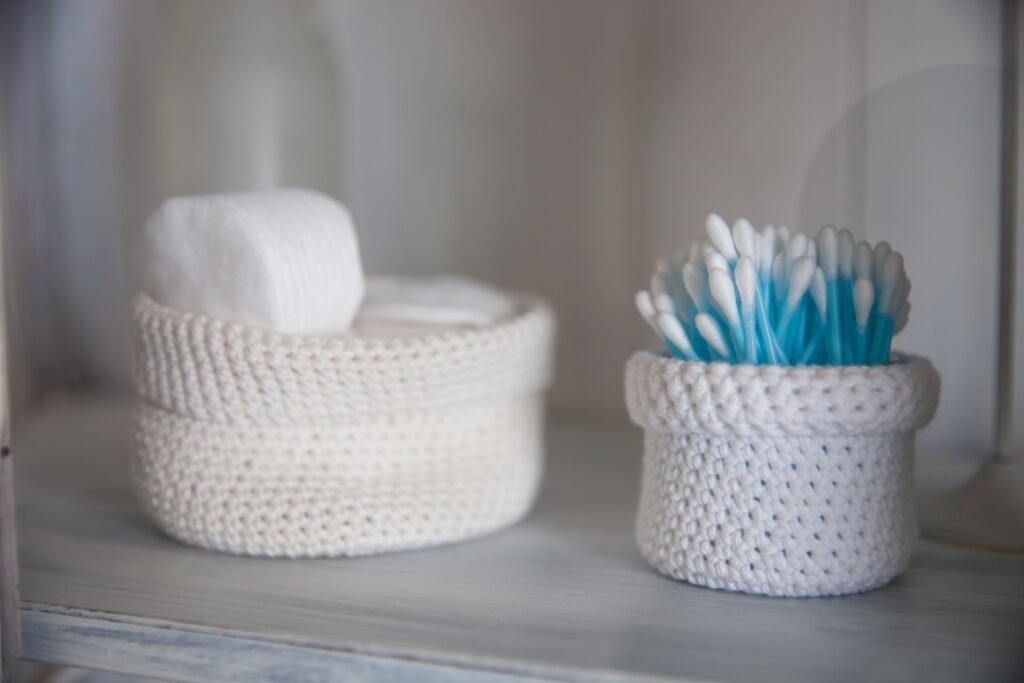
Hanging pocket strips or garlands: Individual crochet pockets or pouches attached to a string, dowel, or ribbon—either in a single row or grouped in sections.
- Ideal for: Crafters with limited space or those who enjoy creative arrangements (around a window, mantel, or tree).
- Pros: Easy to vary colors and pocket shapes; simple to store since pieces are separate.
- Cons: Needs consistent attachment; may tangle if not stored carefully.
-
Shaped-pocket calendars (tree, house, etc.): Crochet panels or groupings arranged into a specific shape, such as a Christmas tree or house, with pockets incorporated.
- Ideal for: Confident beginners or intermediates wanting a themed visual impact.
- Pros: Decorative focal point; plenty of room for creativity.
- Cons: Involves shaping and assembly; more planning to balance pocket sizes and placement.
-
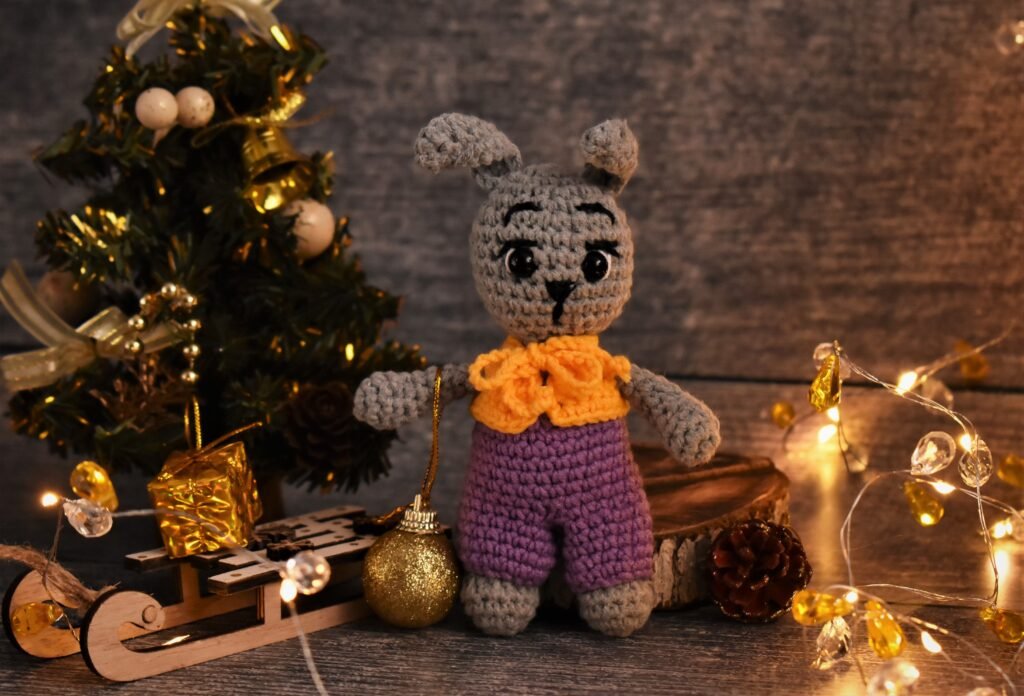
Amigurumi/minis calendar: Sets of tiny 3‑D crochet figures (like the Amigurumi Advent)—one for each day—sometimes stored in pockets or presented individually.
- Ideal for: Those eager to practice shaping and enjoy crafting small, stuffed toys.
- Pros: Meditative, portable, great for skill practice.
- Cons: More challenging due to 3‑D shaping, tight stitching, and lots of small parts; better suited to those who have experience with single crochet and working in the round.
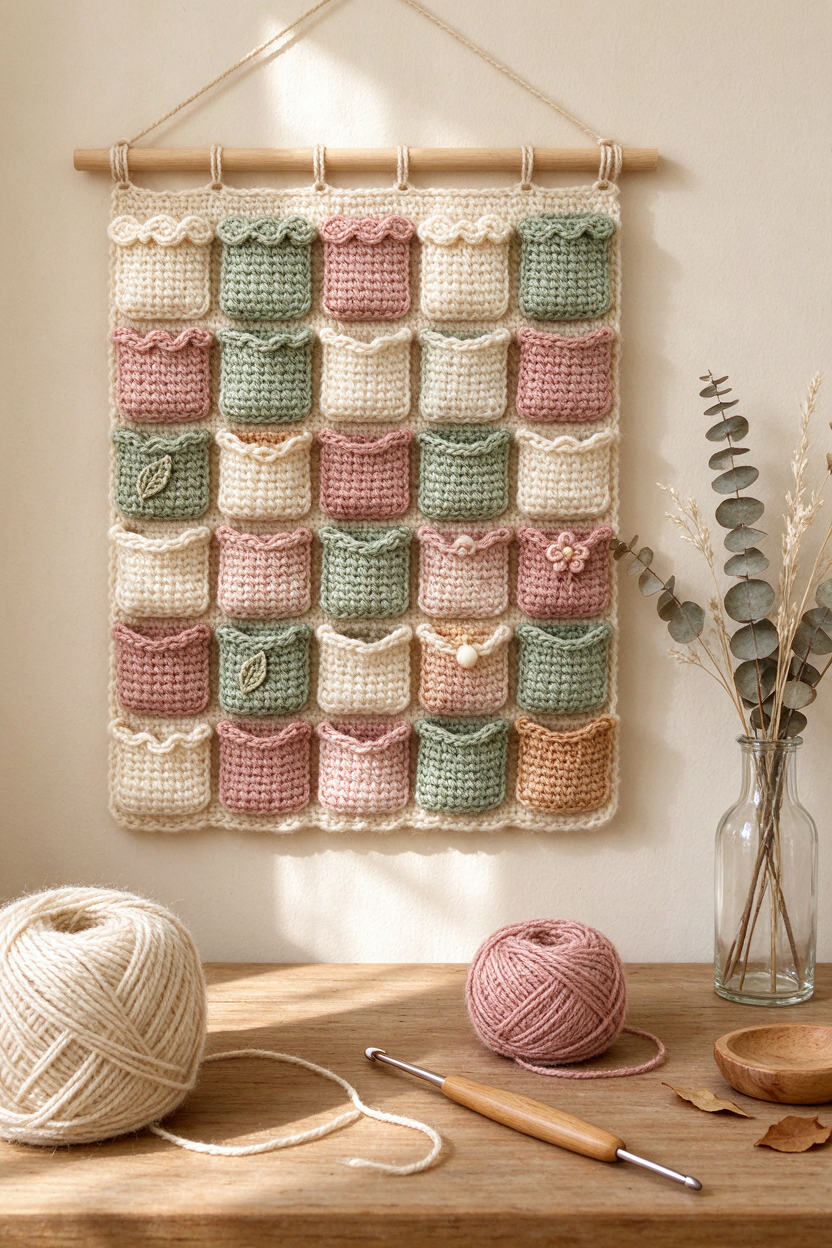
Consider your available time, hanging space, and comfort with sewing or assembly—flat panels and pocket garlands are the most approachable for a first crochet advent calendar project.
Essential stitches and techniques to learn first
Before starting any advent calendar, it’s important to be comfortable with a few core crochet stitches and techniques, as most crochet patterns for advent calendars use variations of these basics:
- Chain stitch (ch): The very first stitch in almost all crochet work; creates the foundation chain for panels or pockets.
- Single crochet (sc): Forms a dense, sturdy fabric—ideal for reusable pockets. Common in panels and amigurumi.
- Slip stitch (sl st): Used for joining, edging, or moving between rows cleanly.
- Half-double crochet (hdc): Slightly taller than sc, gives a soft, flexible fabric. Sometimes used for bigger pockets.
- Double crochet (dc) and treble crochet (tr): Useful in decorative sections, borders, or to add height, though less common for small, sturdy pockets.
Key techniques worthwhile for advent calendars:
- Magic ring (adjustable loop): A circular foundation technique often used for amigurumi or round pouches.
- Foundation single crochet: Lets you build a stretchy starting edge, helpful for pocket openings less prone to stiffness.
For stitch-count accuracy and even shapes, it’s helpful to count stitches at the end of each row and use stitch markers (or scraps of yarn) to mark round beginnings or the first stitch of a row. Step-by-step stitch guides are a great way to solidify these basics before working from a full advent calendar pattern.
Yarn, fiber, color and hook choices for reusable pockets
Your yarn and hook choices can have a big impact on your crochet advent calendar’s usability, appearance, and ease of making—especially if you want durable, reusable pockets. Here’s how to pick the best materials:
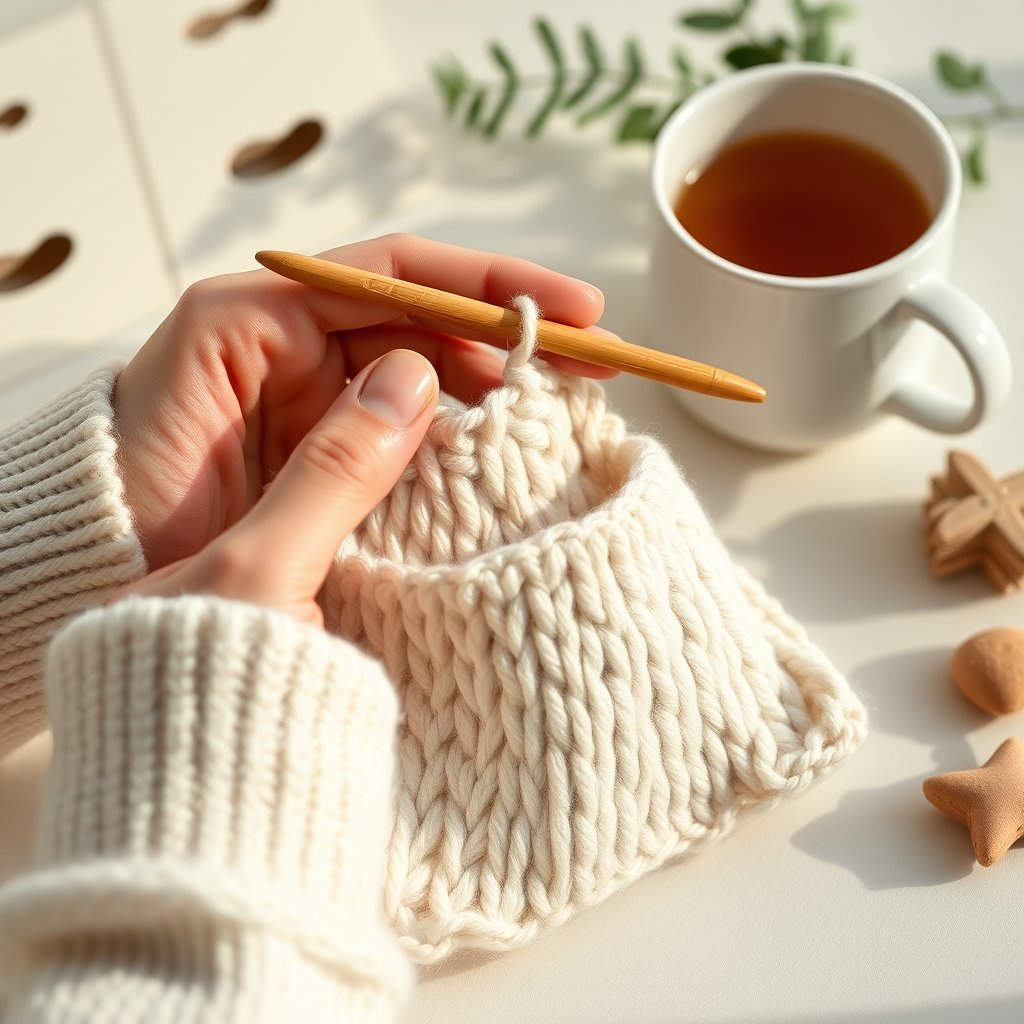
- Yarn weight and texture: Smooth, worsted-weight or double knit (DK) yarn is widely recommended for beginners. It balances stitch visibility with enough structure for pockets or panels.
- Color choice: Light or mid-tone yarns help you see stitches easily, making tricky spots less likely. Dark, variegated, or heavily speckled yarns can make it much harder to spot where to insert your hook.
- Fiber type: Acrylic, cotton, and soft acrylic-cotton blends are beginner-friendly. Cotton yarn helps stitches stand out for clear, tight pockets (often chosen for reusability). Acrylic or acrylic-blends offer softness, drape, and often easy washing, but choose a smooth variety for best results.
- Hooks: A hook size that pairs well with your yarn (often recommended as 5.0 mm with worsted weight for those starting out, per Lion Brand guidance) gives the best balance of sight, handling, and fabric density.
Avoid for beginners: Fuzzy yarns (like mohair or boucle), complex textures, or deep jewel tones. These can easily hide the “V” shapes of crochet stitches, making counting and troubleshooting much more difficult.
| Yarn or Hook Feature | Beginner Value | Reusable Pocket Advantage |
|---|---|---|
| Smooth worsted/DK yarn | Stitch visibility, minimizes splitting | Sturdy pockets, durable with handling |
| Light or medium color | Makes learning and troubleshooting easier | Numbers/decoration stand out |
| Ergonomic hook paired to yarn | Reduces hand fatigue | Evens stitches for neater finish |
Once you select your yarn and hook, consider buying extra for a test swatch—that way you can adjust before making all your pockets.
Practical ways to attach and display pockets (flat, hanging, shaped)
One of the joys of a crochet advent calendar is deciding how it will hang and what best fits your home or celebration space. Here are tried-and-true approaches:
- Flat wall panels: The classic choice—hang with loops, a wooden dowel, or curtain rod. Ensure your attachment points are robust if you plan to fill pockets with heavier treats.
- Hanging garlands or strips: String individual pockets or pouches onto a ribbon or cord. Attach with sewn loops, clips, or buttons for easy removal and rearrangement each year.
- Pegboards or display boards: Pin or tie pockets to a corkboard or wooden display, which can sit on a mantel or shelf.
- Shaped displays: Arrange pockets into a tree, house, or star shape directly on a wall using hooks, removable adhesive, or low-profile pins.
- Tabletop containers: Place pockets or amigurumi figures in a decorative basket or tray, ideal for small spaces or kid-friendly setups.
Attachment options: Buttons, sewn-in loops, ties, or snaps provide flexibility for reusing or laundering individual pockets. Make sure attachments match the expected pocket weight—reinforced loops or tightly-sewn buttons are best for filled pockets.
Beginner-friendly free crochet advent calendar patterns and where to find them
Finding the right free crochet advent calendar pattern can make your first project much more approachable. While there are dozens of options online, these tips will help you spot a genuinely beginner-suited pattern and know where to start your search:
-
Check for:
- A full list of materials and abbreviations used in the pattern;
- A stitch glossary or clear terminology (especially if new to pattern reading);
- Step-by-step process photos or diagrams (not just finished images);
- Downloadable PDF option, so you can work away from your screen and save your spot;
- Tags like “easy” or “beginner” and comments from other crafters.
-
Where to search:
- Official pattern directories from reputable yarn brands (Lion Brand, LoveCrafts);
- Marketplace sites and designer blogs (look for patterns with good formatting and clear instructions);
- Learning centers and online communities with review features to preview pattern clarity.
It’s wise to favor patterns that offer a printable PDF, especially for complex projects or those you’ll revisit each year. Before using a free pattern, glance through the instructions for clarity and see if others mention missing steps or confusion points in the comments.
If you’re exploring more general beginner choices or stitches, visit our crochet patterns for beginners guide or the TwirlBloom shop for a wide selection of downloadable crochet PDF patterns—easy to save, print, and return to as you go.
Common beginner mistakes and how to avoid them
Even skilled beginners encounter classic hurdles when making a crochet advent calendar—especially plenty of reusable pockets! Knowing these ahead of time saves frustration down the line:
- Too-tight stitches or foundation chain: A tight start leads to stiff edges that make pockets hard to use. Relax your grip and practice matching the flexibility of your starting and working stitches.
- Accidental extra stitches or uneven row edges: These usually happen if you miscount or accidentally add stitches at the row ends—especially if you work into the turning chain unintentionally. Always count stitches at the end of each row, and consider using a stitch marker to easily spot the first stitch.
- Using dark or fuzzy yarn: Even experienced crocheters can struggle to see stitches in mohair, boucle, or very dark colors—this makes fixing mistakes or evening your rows extremely challenging. Stick with light, smooth yarn for your first calendar.
- Neglecting to check the fit of pockets: It’s common to finish a set of pockets only to realize the openings are too snug—or too loose. Test one or two before making a whole batch.
For a deeper dive into mastering stitches and tension, see our step-by-step stitch guide or tips for following patterns.
Finishing touches that add charm and function
Once your pockets or panels are made, a few thoughtful details can turn your project into a cherished seasonal tradition:
- Numbering: Embroider numbers directly onto the pockets, add sewn-on or crocheted numerals, use pre-made appliqués, or clip on festive numbered tags or stitch markers that move between pockets.
- Closures: Keep treats secure with buttons, tiny ties, snaps, or fold-over pocket tops. Choose closures that match the ages and abilities of calendar users.
- Embellishments: Add small appliquéd shapes (stars, trees, mittens), tassels or fringes, simple colorblocks, or holiday motifs. Take care to avoid heavy add-ons that could stretch your pockets out over repeated use.
Finishing details aren’t required, but add usability and a personal, festive flair. Keep durability in mind if children will be handling the calendar frequently or if you want to store it for years to come.
Downloadable PDF patterns vs blog posts and videos — pros and cons
With so many pattern formats available, you may wonder if it’s best to choose a downloadable PDF, follow a blog post, or work from a video tutorial. Here’s a quick comparison:
-
Downloadable PDF patterns:
- Easy to print, highlight, and bring to your craft space;
- Consistent, clean formatting not interrupted by ads or links;
- Simple to reference year after year, and less likely to disappear online;
- Often include a materials list, abbreviations, and helpful notes on assembly or finishing.
-
Blog posts:
- Offer step-by-step written instructions, usually with photographs;
- Sometimes come as a free version but may be split across multiple pages;
- Can be tricky to follow on mobile or print unless a printable option is offered.
-
Video tutorials:
- Great for seeing stitches in action and troubleshooting trickier steps;
- Useful if you learn best visually, but harder to pause or jump around compared to paper PDFs;
- Not as portable—more challenging to reference without a device present.
No matter the format, always check the pattern for clear abbreviations, a materials list, and, if it’s a paid PDF, a preview before purchase. For a broad selection of holiday-ready patterns, browse TwirlBloom’s crochet PDF patterns—perfect for printing and reusing in future seasons.
Next steps: planning your project and what to prepare
A bit of planning goes a long way toward a smooth advent calendar project. Use this brief checklist to organize your next steps:
- Choose the style (flat panel, pocket garland, shaped calendar, amigurumi) that suits your needs, space, and skill level.
- Gather smooth, beginner-friendly yarn (in light or medium tones), a matching hook, scissors, stitch markers, and a tapestry needle.
- Practice core stitches and techniques on a swatch. Make one full pocket before starting on the complete set.
- Review and download your chosen crochet pattern (PDF is best for reusability and ease of reference).
- Keep a craft notebook or digital note for jotting down adjustments, color choices, and ideas for future embellishments or storage tips.
If you’re ready to choose a project, explore TwirlBloom’s crochet PDF patterns—printable, easy to save, and created with reusability in mind for heirloom-quality holiday calendars and more.
Frequently Asked Questions
What basic stitches do I need to know to make a crochet advent calendar?
The most useful stitches are chain, single crochet, slip stitch, half-double crochet, double crochet, and treble crochet. For most pocket or panel patterns, mastering chain and single crochet is essential, with the others helpful for variations or decorations.
What yarn and hook should a beginner choose for reusable advent calendar pockets?
Most sources recommend smooth worsted or DK weight yarn in a light or medium color, paired with a hook size that matches the yarn (commonly 5.0 mm for worsted). Cotton, acrylic, or blends are all good beginner options.
Are there free crochet advent calendar patterns suitable for beginners?
Yes—trusted sites like Lion Brand and LoveCrafts offer beginner-friendly free patterns. Look for those tagged as “easy” or “beginner” with clear instructions, a stitch glossary, and a downloadable PDF option when available.
How can I make the pockets durable and washable?
Choose a sturdy, washable yarn like cotton or acrylic, avoid loose or open stitches, and attach closures or embellishments securely. Always check the yarn’s care instructions before laundering.
What’s the easiest way to attach or display crochet pockets?
Flat panels with sewn or buttoned loops are simple to hang and store, while garlands let you arrange individual pockets creatively. Use sturdy attachments and avoid overcrowding on one string or dowel.
How do I avoid common mistakes like uneven edges or extra stitches?
Count your stitches at the end of each row, use stitch markers, and work with beginner-friendly yarn in a light color to keep track of your rows. Practicing a swatch before making all your pockets can help catch mistakes early.