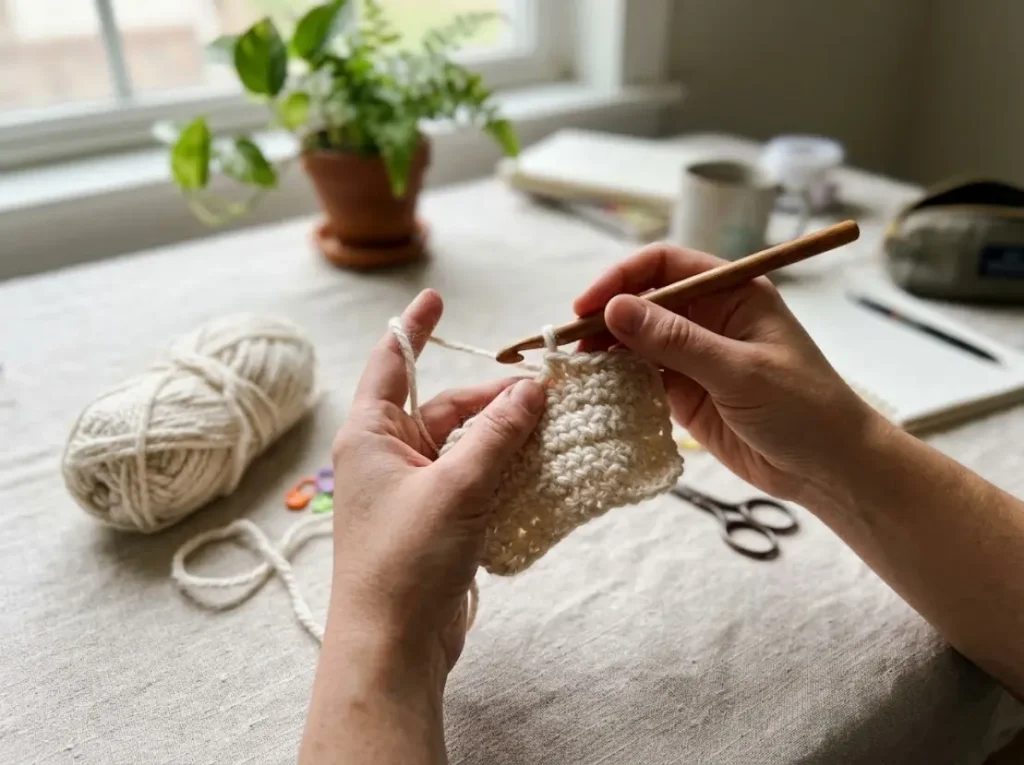
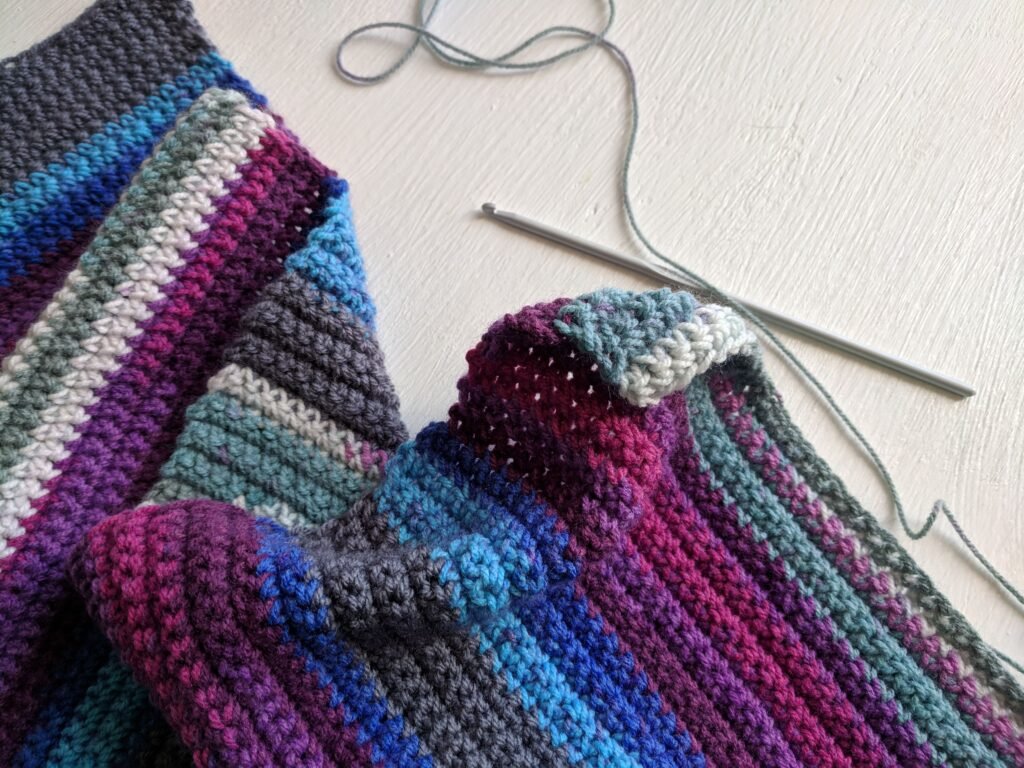
If you’re searching for crochet scarf patterns to kickstart your handmade journey, you’re in the right place. This guide covers what makes scarves the perfect beginner project, which basic stitches and styles to try first, troubleshooting tips for common mistakes, and how to select patterns that set you up for success. Whether you’re torn between free web tutorials or downloadable PDF patterns, you’ll find clear, practical advice tailored to both absolute and confident beginners—plus the knowledge to confidently choose your first (or next) scarf project.
Key Takeaways
- Scarves are the ideal entry point into crochet, requiring simple stitches and offering fast, confidence-boosting progress.
- Pattern choice, yarn selection, and learning core stitches like chain, half double crochet, and double crochet are key for beginner success.
- Downloadable PDF patterns provide clarity, portability, and reliable support—often reducing confusion compared to scattered web posts.
- Why a scarf is an ideal first crochet project
- Most common beginner-friendly scarf pattern types (and why they work)
- Essential basic stitches to learn (and where to find good tutorials)
- Yarn weight, fibre and hook considerations for beginners (what affects ease and the final look)
- Most common beginner mistakes — how to avoid and fix them
- Free vs paid patterns — what beginners should expect
- Practical finishing, sizing and pattern details beginners often miss
- Time expectations and realistic skill progression for a first scarf
- How downloadable PDF patterns can help beginners (vs. free web posts and videos)
- Frequently Asked Questions
Why a scarf is an ideal first crochet project
Scarves consistently top the list of beginner crochet projects, and for good reason. Most crochet scarf patterns involve creating a simple rectangular shape, so there’s no need to worry about complicated shaping, sizing, or piecing. Each row builds on the last—from end to end—which makes it easier to develop muscle memory and see clear, encouraging progress.
In a beginner scarf, you’ll practice:
- Starting and finishing rows cleanly
- Working with basic, repetitious stitches
- Controlling yarn tension across a flat surface
- Adding finishing touches like fringe or tassels, without sewing seams
Because of all these benefits, scarves are widely recommended as a first project by crochet educators and pattern publishers [source]. Success with an early scarf can give you the confidence and core skills to attempt more advanced works later on.
Most common beginner-friendly scarf pattern types (and why they work)
Not all crochet scarf patterns are created equal when it comes to early learning. Here are the best types to look for as a beginner:
- Simple rectangular scarves using chain, half double crochet (HDC), or double crochet (DC): These use basic repeat stitches, read easily, and don’t require pattern modifications or counting complex shapes.
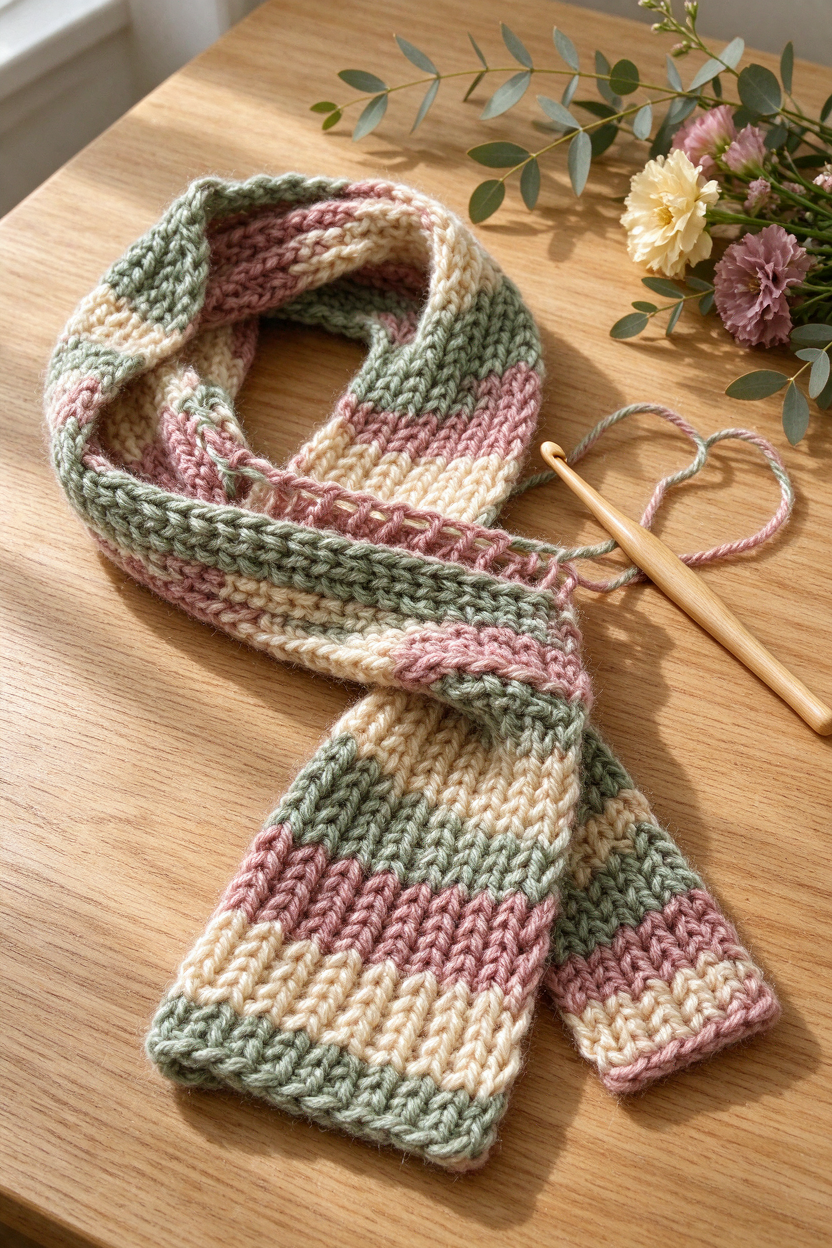
- Ribbed “knit-look” scarves (half double crochet ribbed stitch): This method creates a stretchy, textured rib that forgives small tension mistakes, all with one reoccurring stitch.
- Moss or linen stitch scarves: These dense, drapey repeats use short combinations of chain and single/double crochet to create fabric that won’t curl and looks the same on both sides—ideal for scarves that flip as you wear them.
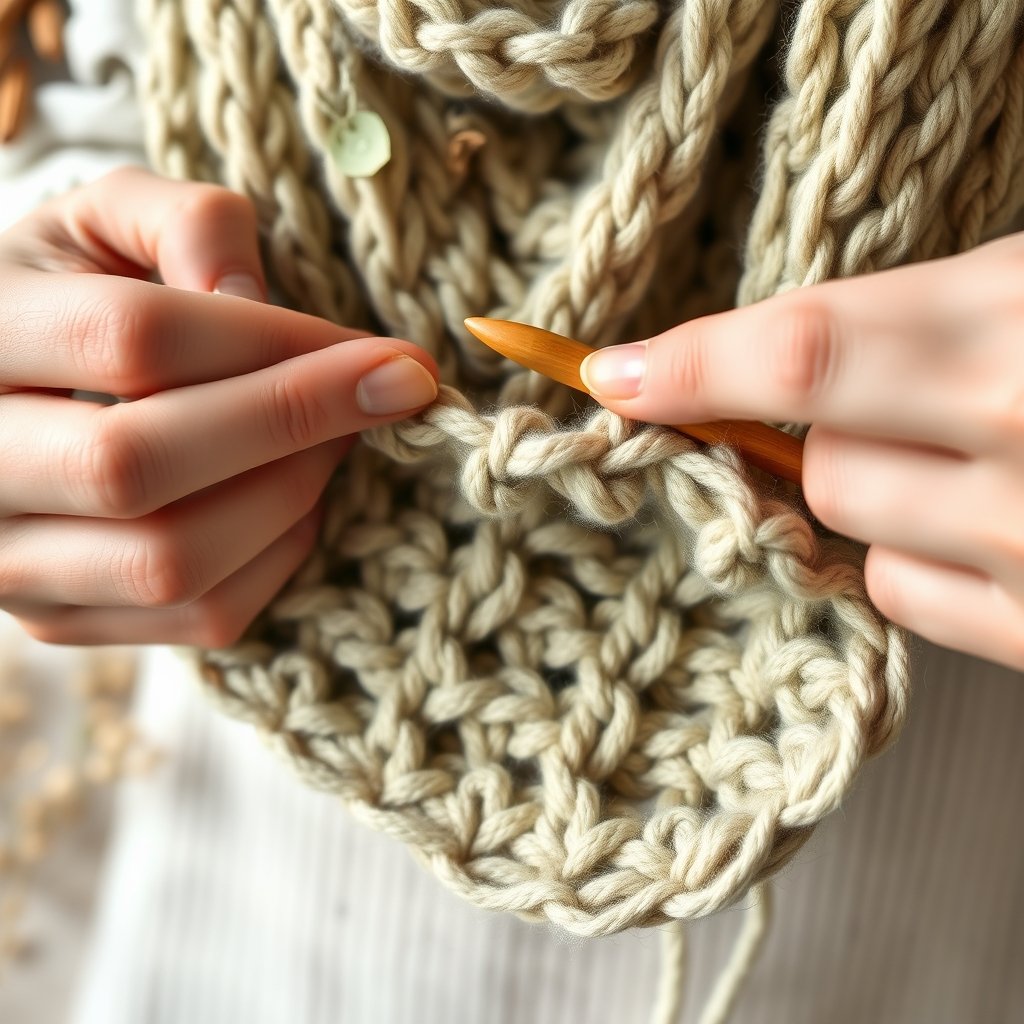
- Quick chunky or super-chunky projects: Large yarn makes for bigger stitches, which are easier to see and manipulate. Projects work up faster, keeping motivation high. Tassels or fringe can be added for extra style and a finished look.
Each of these patten types helps you focus on the fundamentals—making stitches, counting rows, and keeping edges neat—without distractions.
For inspiration, check out established free collections such as the free scarves crochet pattern library at LoveCrafts.
Essential basic stitches to learn (and where to find good tutorials)
The majority of beginner scarf patterns rely on just a handful of stitches using US crochet terminology (UK equivalents noted):
- Chain stitch (ch): The very foundation—used to start almost all scarves.
- Half double crochet (HDC): Known as half treble (HTR) in UK terms; produces a balanced, textured stitch that grows reasonably fast.
- Double crochet (DC): Called treble (TR) in UK terms; makes a taller stitch for more rapid row growth.
Some patterns also introduce treble crochet for faster growth or special textures, but sticking to chain, HDC, and DC covers most beginner options [source].
Where to learn:
- Written Tutorials and PDFs: Downloadable patterns often include clear step diagrams or photos alongside stitch abbreviation lists for easy reference anywhere.
- Video Tutorials: Video lessons visually demonstrate stitch movement and hand placement—a strong companion to any written pattern. LoveCrafts’ free pattern library features videos for many simple projects.
For a deeper dive into basic stitches, see our complete beginner crochet stitches guide.
Yarn weight, fibre and hook considerations for beginners (what affects ease and the final look)
Your yarn and hook choice dramatically shapes your scarf’s final outcome—both in appearance and in ease of making. For beginners:
- Bulky and super-chunky yarns are widely recommended (source) because the big stitches are easier to see and manipulate, reducing early frustration and making progress quick and visible.
- Fibre content affects drape, feel, and stitch definition. Beginners often gravitate toward soft yarns that are easy to handle—not too slippery or splitty—which helps when practicing even tension.
- Hooks should match the yarn and pattern suggestion. Patterns will specify the required hook size; always check the pattern, as guessing may alter your result. Don’t worry if your initial rows feel uneven—swatch and adjust as you become more familiar.
Takeaway: Choose a well-reviewed chunky yarn that’s soft and comfortable, and follow the hook/yarn guidance of your chosen pattern rather than improvising, especially when beginning.
Most common beginner mistakes — how to avoid and fix them
Nearly every new crocheter runs into similar challenges while working up their first scarf. Being aware of these issues—and having a few tricks up your sleeve—can make the process smoother:
- Foundation chain problems: Skipping or miscounting starting stitches can throw off your width. Try adding a stitch marker every 10 or 20 chains, and count aloud as you go.
- Inconsistent tension or uneven stitch height: Don’t stress—practice makes progress. Try a short practice swatch to build confidence, and pick a simple stitch that feels natural.
- Turning chain confusion: It’s easy to miss where to begin each new row, which can create wavy or slanted edges. Many patterns clarify exactly where to place your first stitch of each row. Develop a turning-chain routine and stick to it until comfortable.
- Neglecting finishing touches: Weaving in yarn ends and adding fringe or tassels cleanly can make your final scarf look more polished. Don’t rush this stage—even a basic technique can make a big difference.
Remember: choosing scarf patterns that feature ribbing, moss/linen stitch, or shell patterns can also help disguise beginner tension inconsistencies (source).
Free vs paid patterns — what beginners should expect
When searching for your first or next crochet scarf pattern, you’ll see both free and paid options—sometimes both are available as downloadable PDFs.
- Free patterns: Popular sites offer entire libraries of free scarf designs for beginners, and many are downloadable as PDFs with step-by-step details. These can be a great (and risk-free) starting point. However, the clarity and completeness of instructions, formatting, or support may vary.
- Paid/downloadable PDFs: Purchasing a pattern often gives you access to clearer, consistent formatting, printable pages, consolidated stitch keys, and sometimes direct author contact for questions. These PDFs may include extra hints or support, making them valuable when you want everything at your fingertips offline.
Whichever you choose, look for:
- Explicit stitch lists and abbreviations, with clear notes on US/UK terms
- Photos, step diagrams, or video links (especially if you’re a visual learner)
- Row-by-row instructions, and finishing tips—they make a difference
- Ability to download or print for reference, not just view on a mobile device
If you’d like to explore crochet pattern options that are ready for download and consolidated for easy reference, browse TwirlBloom’s Crochet PDF Patterns.
Practical finishing, sizing and pattern details beginners often miss
Even the simplest crochet scarf patterns include details that prevent disappointment:
- Swatching and stretch: Crochet fabric stretches, especially with heavier scarves. Make (and hang) a small swatch in your chosen yarn before starting to see how the stitches behave under weight and to get comfortable with the stitch pattern (source).
- Stitch and row counts: Confirm the pattern provides clear stitch counts for each row and states how many rows or repeats are needed for the length.
- Finishing steps: Look for patterns that describe how to weave in ends neatly, how (or if) to block your finished scarf, and how to add any fringe or tassels.
- Width and length: Aim to follow the pattern’s suggested dimensions or author guidance. If you want to customize, test a small repeat before committing—and always be aware that any changes may affect the amount of yarn used and the scarf’s drape.
Practical details like these will help you achieve a result that matches your expectations and builds your confidence for future projects.
Time expectations and realistic skill progression for a first scarf
Most highlights of free crochet patterns for scarves for beginners describe them as “quick” projects—many can be finished in a single evening or over a weekend, especially with chunky yarn. Personal pace, yarn type, and familiarity all play a role, so don’t set a rigid timeline for yourself.
More important is the sense of progress:
- Practice making a neat foundation chain and a few steady rows before starting your full scarf
- Set small goals—finish 10 rows, work in a color change, or add the fringe—not just “finish scarf”
- As you gain confidence, try adding texture (ribbing, moss stitch, or shells) with new patterns
- Celebrate milestones: completing even a short scarf is a major step on your crochet journey
Many beginners progress from mastering the chain and first rows to tackling simple textured repeats in their next projects. Consistent, gentle practice is more important than speed.
How downloadable PDF patterns can help beginners (vs. free web posts and videos)
The format of your chosen pattern matters. Downloadable PDF patterns bring several strengths to beginner projects:
- Printable, portable, and distraction-free: PDFs can be printed and marked up, taken away from screens, or referenced while watching a video tutorial. Everything stays in one place—no jumping between websites or tabs.
- Clearest formatting: Stitch lists, abbreviations, row counts, and step-by-step photos are usually consolidated in one document instead of scattered comments or unfinished web posts.
- Consistent support: Many paid and high-quality free PDFs are pattern-tested or offer author support, making it easier to troubleshoot issues and clarify steps.
- Complement to videos: Videos excel at demonstrating technique, but pairing a good written pattern PDF with a guided video lesson gives you both the bird’s-eye view and the up-close details right when you need them most.
Choosing a trustworthy downloadable PDF can greatly reduce confusion and increase your chances of completing a scarf you love.
Frequently Asked Questions
What are the easiest crochet scarf patterns for absolute beginners?
Simple rectangular scarves that use chain, half double crochet, or double crochet stitches (with no shaping and clear row repeats) are generally the easiest for new crocheters.
Which stitches should I learn first to make a simple scarf?
Learn chain stitch, half double crochet (US)/half treble (UK), and double crochet (US)/treble (UK). These stitches cover the majority of beginner-friendly scarf patterns.
Do I need to swatch before starting a beginner scarf, and why?
While not essential, making a small swatch helps you test your yarn, check stitch appearance, and see how the fabric will stretch, which can prevent surprises in your finished scarf.
Can I use any yarn for a beginner scarf pattern, or should I choose a specific type?
While most patterns specify suitable yarn, bulky or super-chunky yarns are often recommended for beginners because they are easier to see and work with. Always check the pattern’s suggested yarn type and fibre.
How do I fix missed stitches or uneven edges in a scarf I’m working on?
If you notice a missed stitch or uneven edge, try carefully undoing a few rows (“frogging”) or use a crochet hook to add a stitch if possible. Consistent counting, using stitch markers, and following a clear pattern help prevent these issues.
Are downloadable PDF patterns better for beginners than free web tutorials or videos?
PDF patterns are often more clearly formatted, printable, and portable, making them easier to follow. Many beginners find them more reliable than informal web post instructions, especially when combined with video tutorials.
Ready to try your first or next scarf project? Explore Crochet PDF Patterns at TwirlBloom for a range of downloadable patterns to suit your skill and style.