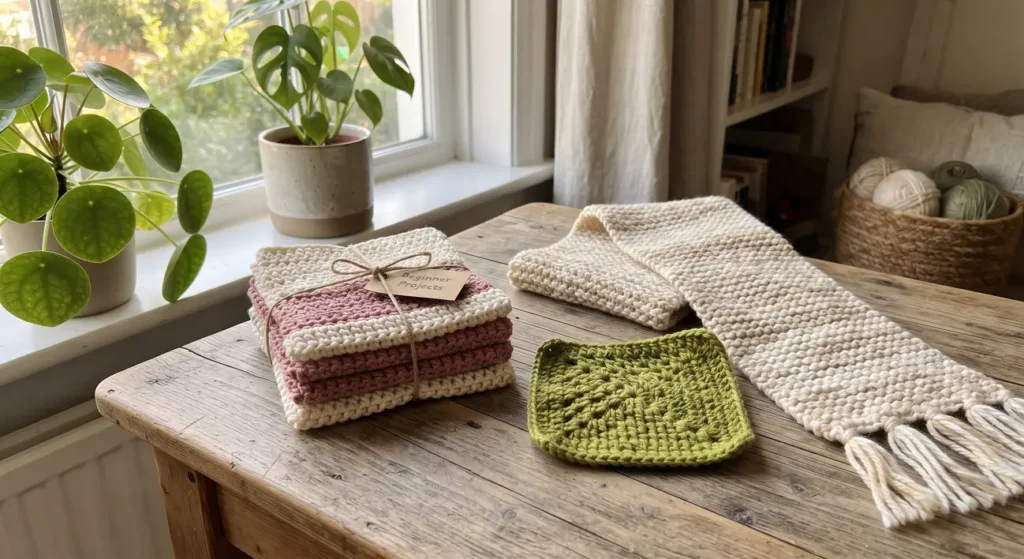

Crochet is a wonderfully accessible craft, and choosing the right crochet patterns for beginners can make your first project satisfying instead of frustrating. This guide will help you select simple starter patterns, practice the most important stitches and techniques, avoid common pitfalls, and use printable checklists or visual aids—so you can confidently complete your first crochet item. Whether you’re learning to read patterns or simply want quick project wins, you’ll find practical advice and curated pattern suggestions designed just for new crocheters.
Key Takeaways
- Start with small, simple projects using only a few basic stitches to build confidence and skill.
- Focus on mastering a core set of stitches and reliable techniques (chain, single crochet, slip stitch, half-double, double crochet).
- Use printable checklists and photo aids to make following patterns and fixing common mistakes much easier.
- Best crochet patterns for absolute beginners
- Essential stitches and techniques to learn first
- Common beginner mistakes and how to fix them
- Yarn, hook sizes and tools that give beginners the best results
- Realistic time expectations and projects that create early wins
- Visual aids, printable checklists and downloadable PDF resources to include
- How to read written crochet patterns (terminology, abbreviations, and tips)
- Troubleshooting and subtopics often missing from beginner guides
- Frequently Asked Questions
Best crochet patterns for absolute beginners
Some simple crochet patterns for beginners are much more likely to give you early wins than others. The secret is starting with projects that use only 2–3 basic stitches, don’t require shaping, and finish quickly so you see results.
-
Granny square:
- Stitches: chain, double crochet, slip stitch
- Shape: flat square, worked in the round
- Skill built: Working in rounds, stitch counting, changing colors (optional), joining
- Learn more about granny square projects
-
Dishcloth or washcloth:
- Stitches: single crochet, double crochet, half-double crochet
- Shape: flat rectangle, worked back and forth
- Skill built: Consistent stitch count, edge control, turning chain use
-
Simple straight scarf (“one ball”):
- Stitches: single crochet, half-double crochet, double crochet
- Shape: long rectangle, one-row repeats
- Skill built: Row counting, rhythm in repeated stitches, maintaining width
- Explore beginner scarf pattern ideas
-
Small drawstring bag or pouch:
- Stitches: single crochet, slip stitch, chain
- Shape: flat rectangles, seamed, or worked in the round
- Skill built: Seaming, weaving ends, making drawstrings
-
Basic hat in the round:
- Stitches: single crochet, double crochet
- Shape: worked in the round, beanie shape
- Skill built: Magic ring or joined chain, increases, measuring diameter
-
Small amigurumi or simple motif:
- Stitches: single crochet, chain, slip stitch
- Shape: worked in spirals or rounds
- Skill built: Counting in the round, tight tension, simple shaping
- Amigurumi basics for beginners
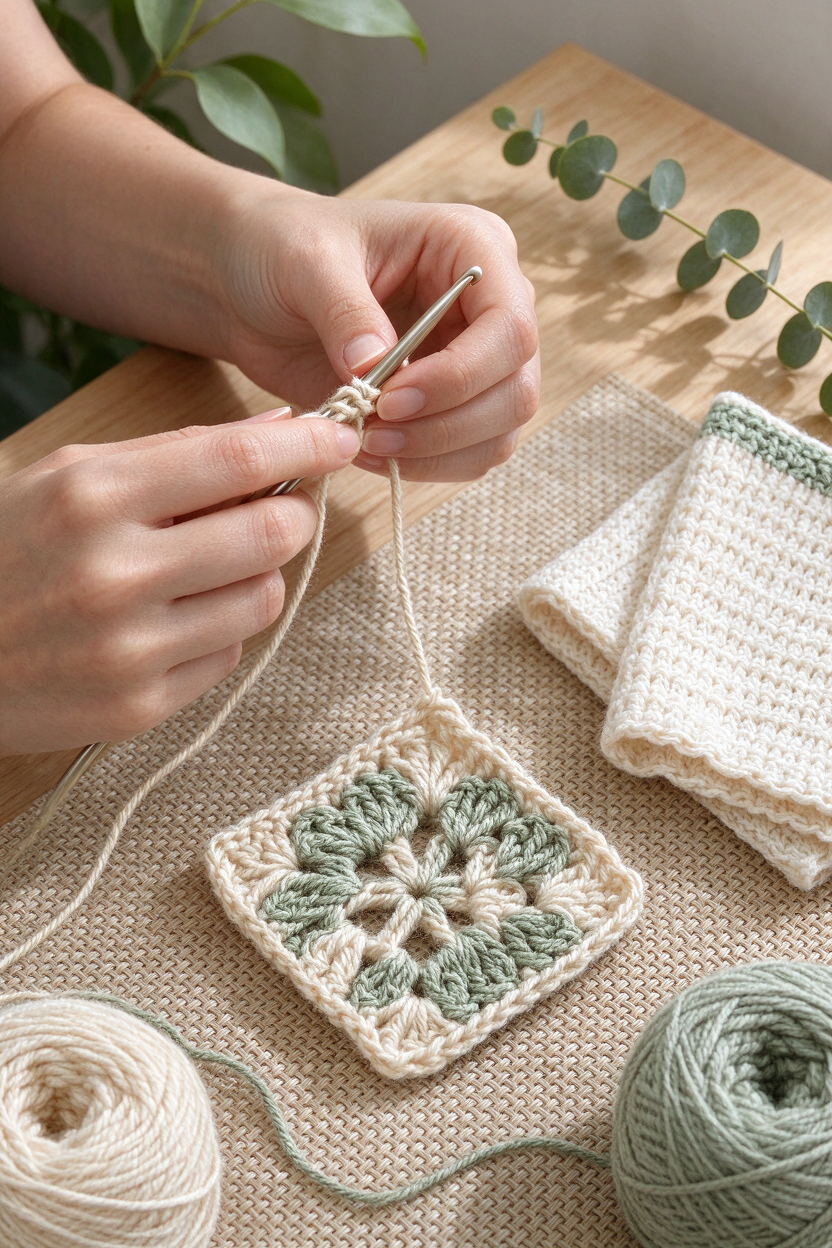
Patterns like granny squares, dishcloths, and straightforward scarves are considered the best beginner crochet projects because:
- They use a minimal set of stitches (often just two or three).
- Small scale means fast progress and less frog-back (undoing work) if a mistake happens.
- They emphasize essential skills you’ll use in every future crochet pattern, such as edge control and stitch counting.
If you’re still practicing individual stitches and want to explore more ideas, this easy crochet project inspiration guide offers more beginner-friendly options.
Essential stitches and techniques to learn first
Nearly all crochet for beginners patterns rely on a handful of core stitches. According to Lion Brand’s guide and LoveCrafts, if you master the following, you’ll be able to follow almost any beginner pattern:
- Chain stitch (ch): The foundation of most projects. Practice making a long, even chain for neat starts.
- Single crochet (sc): Dense, sturdy basic stitch. Teaches control and hook placement.
- Slip stitch (sl st): Joins pieces and moves yarn without adding height. Essential in joining rounds or seams.
- Half-double crochet (hdc): Sits between single and double in height. Common in scarves and cloths.
- Double crochet (dc): Taller, airy stitches, often seen in granny squares and blanket patterns.
- Treble crochet (tr): Taller still; useful for some motifs, but can wait until after the basics.
Two common learning paths:
- Core four: single crochet, half-double crochet, double crochet, slip stitch (“covers the overwhelming majority of beginner patterns” [source]).
- Expanded six: add chain stitch and treble crochet to unlock over 90% of all beginner designs.
Our beginner stitch guide covers these with step-by-step tips and visuals.
Key techniques to practice alongside these stitches:
- Foundation chain: Practice even tension and correct number of chains.
- Turning chain: Learn how many chains to start each new row and why it matters for stitch height.
- Counting stitches/rows: Essential for keeping edges straight.
- Working in the round: Try the magic ring or an alternative for hats and motifs.
- Fastening off & weaving ends: Makes finished pieces secure and neat.
- Gauge swatching: Creating a small sample helps check your stitch size, especially for hats or wearables (see “Gauge” in troubleshooting).
Common beginner mistakes and how to fix them
Even the simplest easy crochet patterns can present challenges when you’re learning. Understanding the most frequent mistakes and how to correct them helps avoid frustration and rework. Here are the top beginner pitfalls—plus practical ways to address them:
- Losing count on foundation chain or rows: Leads to uneven edges or misshapen projects.
Fix: Count out loud as you make your chain; use stitch markers every 10 stitches for long chains. Check you have the correct stitch number after each row. Mark the first and last stitch of each row with removable markers. - Skipping or miscounting turning chain: The single most common beginner error. Skipping the right number of turning chains causes triangle-shaped (trapezoid) projects.
Fix: Double-check your turning chain count at the end and start of each row. Refer to stitch guides for how many you need for each stitch type. - Inconsistent stitch count across rows: Gain or lose stitches unintentionally, causing widening or narrowing.
Fix: Count your stitches at the end of every row for the first few projects until it feels automatic (supported here). - Tension issues (work curling/cupping): Caused by using a hook that’s too small or uneven pull on yarn.
Fix: If fabric curls, try a hook half a millimeter (or size) larger. Work for relaxed, consistent loops. - Choosing dark or fuzzy yarns: Makes stitches hard to see and count.
Fix: Start with light-colored, smooth, medium-thickness yarns until you’re confident.
When to undo (“frog”) mistakes: For small items like dishcloths, you can often keep going and note the error for next time (Lion Brand). For fitted items like hats or garments, it’s better to frog back to the error so your piece fits and looks right.
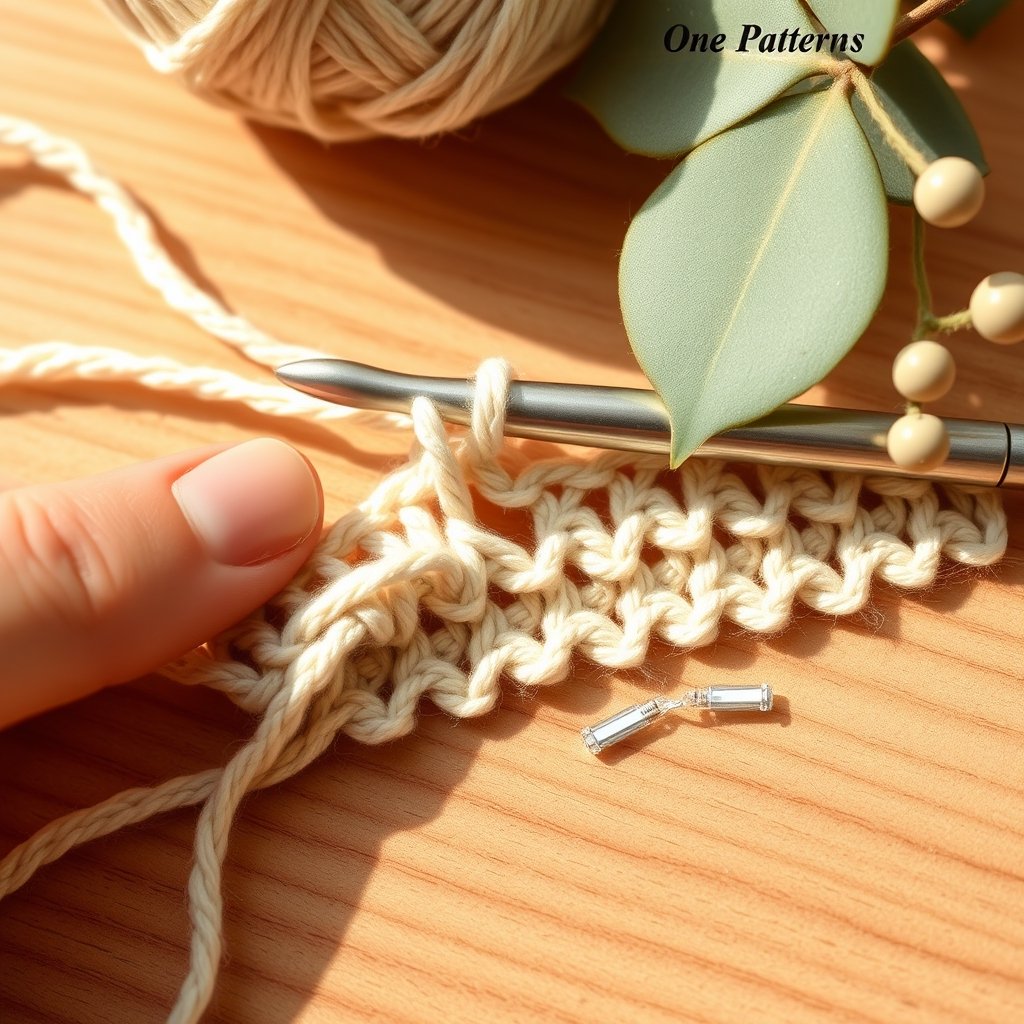
Yarn, hook sizes and tools that give beginners the best results
Choosing the right yarn and hook can make learning crochet much smoother. Here’s what works best for a first project:
- Yarn: Use a smooth, medium-weight (often labeled “worsted”) yarn. Lion Brand recommends this for clear stitch visibility. Avoid very fuzzy or dark colors until you’re confident—stitches are easier to count on lighter, flat-textured yarns.
- Hook size: For worsted weight yarn, a 5.0mm (US H-8) crochet hook is a well-supported place to start (source). Always check the yarn label’s suggestion—if your stitches feel too tight or too loose, adjust accordingly.
Essential tools for every beginner crocheter:
- Stitch markers: Use to mark the first/last stitch of a row or key points in the pattern.
- Yarn needle: For weaving in ends and sewing pieces together.
- Measuring tape: To check size and monitor gauge (especially for fitted items).
- Sharp scissors: Cleanly cuts yarn ends.
- Row counter or phone app (optional): Helps keep track of rows for repetitive patterns.
- Yarn bowl/bag (optional): Keeps yarn tidy and tangle-free.
For a full beginner supply list and tips on each tool’s purpose, see the complete beginner’s guide on TwirlBloom.
Realistic time expectations and projects that create early wins
Setting the right expectations is crucial when starting out with crochet patterns for beginners. Specific hours to finish a project vary—but some project shapes deliver results much faster than others.
- Small, flat items (dishcloths, simple scarves, granny squares): These typically finish quickly since they involve fewer stitches and little shaping. You’re more likely to see a usable or decorative result after just a few crocheting sessions.
- Project progression for growing skill:
- Dishcloth, granny square or small motif →
- Simple scarf or headband →
- Basic hat worked in the round →
- Small bag, striped panel, or joined square item
Celebrating visible milestones—like your first finished square or your first seamed project—is a powerful motivator for new crocheters.
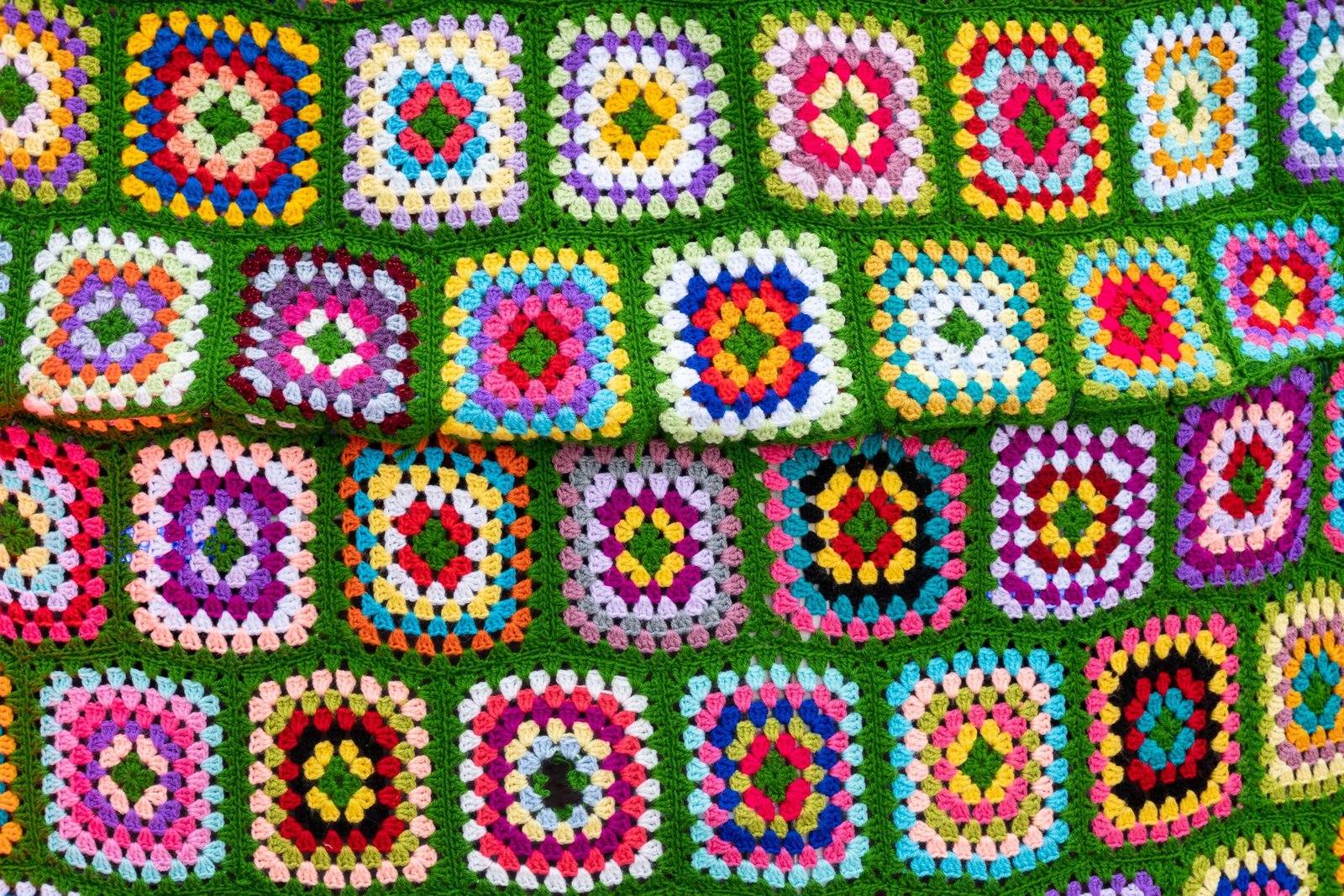
If you want more inspiration for beginner crochet projects that are achievable and confidence-boosting, see this guide to easy crochet projects.
Visual aids, printable checklists and downloadable PDF resources to include
Having the right visual supports can make all the difference when following crochet patterns step-by-step. Here are the most helpful resources you’ll want to keep handy for your first projects:
- Stitch abbreviations cheat sheet: Printable one-page guide so you can decode pattern language as you follow along.
- Beginner crochet project checklist: Includes space to track materials, note gauge, fill in common abbreviations, and check off steps (downloadable as PDF).
- Step-by-step photo PDFs: Patterns or blog posts that feature clear progress photos at every major step (Yarnspirations notes these help beginners most).
- Photo or GIF for turning chain/stitch placement: Especially helpful for keeping edges straight on rectangular projects.
- Short videos (<2 mins) or animated GIFs: Focused on singular techniques like starting a row, joining seams, or weaving in ends (keep as visual reference).
- Annotated images: Captions can highlight where to insert your hook, how to count stitches, or how to recognize mistakes.
- Gauge swatch practice sheet: PDF for keeping notes on how your practice swatches differ from recommended gauge.
All printables and images should be easy to read at normal printer settings, with large, high-contrast visuals and clear captions.
How to read written crochet patterns (terminology, abbreviations, and tips)
Most crochet patterns for beginners use compact language and special abbreviations. Knowing what these mean makes it much easier to follow along, spot mistakes, and plan your project from start to finish.
Common abbreviations and terminology
- ch – chain
- sc – single crochet
- hdc – half-double crochet
- dc – double crochet
- sl st – slip stitch
Note: Always check whether a pattern uses US or UK terms—double crochet in the US is equivalent to “treble crochet” in the UK, and other stitch names differ.
How to follow pattern structure
- Repeats and brackets: Square brackets [ ] or asterisks * * indicate repeat sections—work these as directed before moving on.
- Row and round counts: “Row 1”, “Row 2”, etc. show you where you are in the sequence. Always check stitch counts at the end of each row or round.
- Materials and gauge: Typically listed at the top—check these before starting. For garments or hats, gauge can be very important. For dishcloths/panels, it’s less crucial.
Tips for reading patterns reliably
- Read the entire pattern before you begin crocheting.
- Highlight or circle repeats and special rows in your printed copy.
- Keep the abbreviations cheat sheet within reach.
- Double-check stitch counts at the end of each row—don’t wait until you notice the shape is off.
Troubleshooting and subtopics often missing from beginner guides
Some issues aren’t always addressed in simple crochet patterns for beginners, but they matter for polished results:
- Joining a new ball of yarn: When you run out mid-project, overlap ends and weave them in securely later. There are visual tutorials for seamless joins—search for “crochet join new yarn tutorial” for demonstrations.
- Weaving in ends: Use a yarn needle to thread ends through the back of several stitches in both directions for security.
- Fixing dropped stitches: If you spot a missing stitch partway up, gently unravel to the error or use a hook to pick up loops (search for “fixing dropped crochet stitch”).
- Seaming pieces: Use consistent insertion points (under both loops, or a specified location) for slip stitch or single crochet seams to avoid gaps or holes.
- Gauge swatches: Make a small sample in the required stitch to check if your fabric size matches the pattern’s recommendation— this only matters for wearables or items needing precise sizing.
- Blocking: For flat pieces, gently wetting and pinning to desired shape then letting dry can neaten the finished result. Not mandatory for all projects, but can improve the look of squares, scarves, or motifs.
Frequently Asked Questions
What are the easiest crochet patterns for absolute beginners?
Projects like granny squares, dishcloths, simple scarves, and small pouches are generally easiest because they use only a few basic stitches and involve little or no shaping.
Which stitches should I learn first to follow most beginner patterns?
The core stitches are chain, single crochet, slip stitch, half-double crochet, and double crochet. Mastering these covers almost all simple beginner patterns.
What yarn and hook should I choose as a beginner to make stitch visibility easier?
A smooth, medium-weight (worsted) yarn paired with a 5.0mm (H-8) hook is often recommended for beginners. Lighter colored yarns make stitches easier to see and count.
How do I avoid holes when seaming two pieces together?
Insert your hook into the same location on each piece consistently—often under both loops—and use slip stitch or single crochet seams for a solid join.
What should I do if I drop a stitch or miscount rows?
If possible, unravel (“frog”) to the error and redo carefully. For items where size isn’t critical, you may choose to keep going and correct on the next row, but for fitted projects it’s best to fix the mistake as soon as you spot it.
Do I always need to make a gauge swatch for beginner projects?
Swatching is optional for beginner practice items like dishcloths or scarves, but important for hats, garments, or projects that need to fit a particular size.
Starting crochet is more joyful when you pick the right project, practice core skills first, and use visual supports tailored for beginners. Remember, making mistakes is part of learning—each one teaches you something for your next project. If you’re looking for patterns to practice your new skills, explore TwirlBloom’s Crochet PDF Patterns for afresh inspiration.