
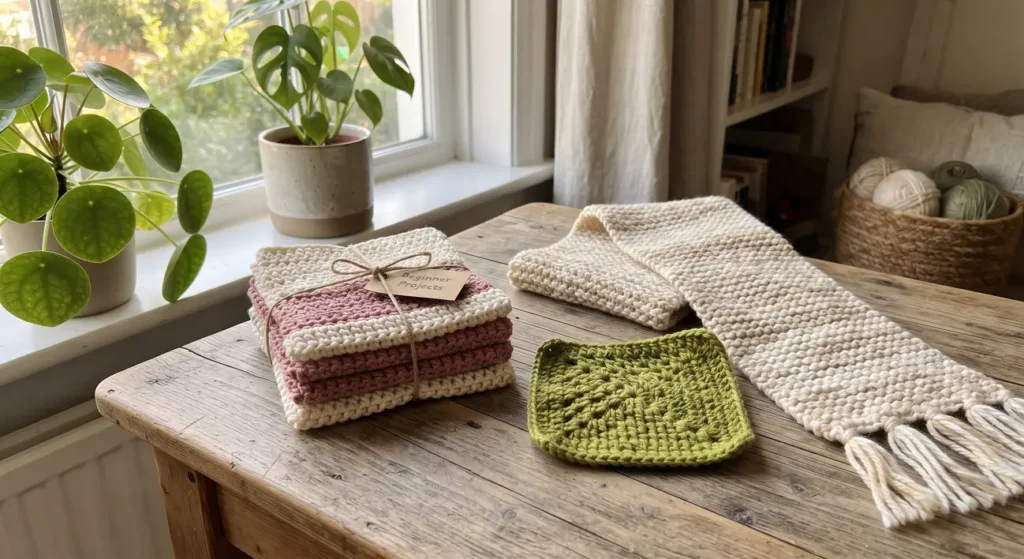
If you’re searching for a straightforward, stress-free path into crochet for beginners, you’re in the right place. This guide offers real, actionable steps for learning how to crochet—from what to buy and which stitches to learn first, to choosing a first project you can actually finish. You’ll find practical tips for avoiding the most common pitfalls and a clear checklist to help you pick beginner-friendly downloadable patterns with confidence. Whether your goal is to make a cozy dishcloth, your first scarf, or a simple granny square, you’ll come away knowing exactly how to start, what to practice, and where to find your next project.
Key Takeaways
- An essential starter kit with the right yarn and hook will make learning smoother and help avoid frustration.
- A stepwise order for core crochet stitches (with matching micro-exercises) helps you build confidence and tackle beginner projects faster.
- Selecting the right pattern—matching your supplies and skill level—greatly increases your chances of actually finishing your first project.
- What to expect when you’re starting crochet
- Essential starter kit (what to buy and why)
- Foundational stitches (names, uses, and learning order)
- Practice plan — how to pair stitches with short exercises
- Beginner-friendly projects and patterns that build skills
- Common beginner problems and practical fixes
- Common pattern mistakes by beginners — how to spot and fix them
- How downloadable PDF patterns (like TwirlBloom’s) help beginners — what to look for
- Content gaps to exploit — what top “how to crochet” pages often miss
- Resources, next steps, and pattern recommendations
- Frequently Asked Questions
What to expect when you’re starting crochet
Almost every crochet beginner faces a few bumps in the road—uneven stitches, frustration with yarn splitting, or confusion over pattern jargon. At first, your hands may feel awkward, especially when holding both the hook and yarn. Initial attempts to keep your stitches neat may leave you with rows that are too tight, too loose, or wobbly (source). This is completely normal! Most newcomers also run into trouble by picking the wrong yarn type, using an uncomfortable hook size, or attempting patterns that are more complicated than they look.
Early wins matter, so it’s smart to focus on learning the core stitches and finishing one or two small projects. With the right beginner kit—visible, forgiving yarn and a hook that matches—you’ll save yourself time, money, and frustration. Once the basics “click,” the joy and satisfaction of making something by hand start to outweigh the awkward early rows. Remember: tight, uneven stitches are not a failure; they’re a first step.

Essential starter kit (what to buy and why)
The right supplies make starting crochet dramatically easier. Here’s a buy-once list for most beginner crochet projects (based on agreed expert sources):
- Crochet hook (5.0–5.5 mm / US H-8 or I-9): This size pairs perfectly with standard beginner yarns and creates stitches large enough to see and control.
- Worsted-weight (category 4) smooth acrylic yarn, light to medium solid color: Easy to spot stitches, forgiving to rip back, and matches the majority of starter patterns.
- Scissors: For trimming yarn.
- Yarn or darning needle: For weaving in ends when you finish your piece.
- Stitch markers: Optional, but very helpful for tracking ends of rows.
- Extra skein (same dye lot): Prevents project-stopping color mismatches if you run short. Always check the dye lot printed on the label and buy two if you can (source).
Why these choices work: Smooth acrylic yarn slides easily on the hook and is usually affordable. Light or medium solid colors help you see each stitch clearly. The 5.0–5.5 mm hook size is widely recommended for learning as it fits nicely in your hand and produces stitches that are neither too tight nor too floppy for most patterns (source).
Foundational stitches (names, uses, and learning order)
All crochet begins with the same set of building blocks. Master these six stitches and you’ll unlock over 90% of standard beginner crochet patterns (source):
- Chain (ch): The starting foundation for every project. Practice making even, not-too-tight chains.
- Slip stitch (sl st): Joins pieces or rounds together and creates a very flat, minimal fabric.
- Single crochet (sc): The basic “fabric” stitch—tight and dense. Primary stitch for amigurumi (crochet animals) and many flat projects.
- Half double crochet (hdc): Slightly taller, versatile, adds a subtle texture.
- Double crochet (dc): Taller stitch—makes quick progress for blankets, scarves, and gives an airier feel.
- Treble crochet (tr): Even taller, creates open lacy fabrics and is used less often at the very beginning, but understanding it rounds out your skill set.
Learning order that works:
- Chain (ch)
- Slip stitch (sl st), then single crochet (sc)
- Half double crochet (hdc)
- Double crochet (dc)
- Treble crochet (tr)
Each stitch gets a little taller and teaches you a new skill—so practice them in this order for steady progress. If you want a visual breakdown of these stitches and their uses, you can use this beginner crochet stitches guide for more detail.
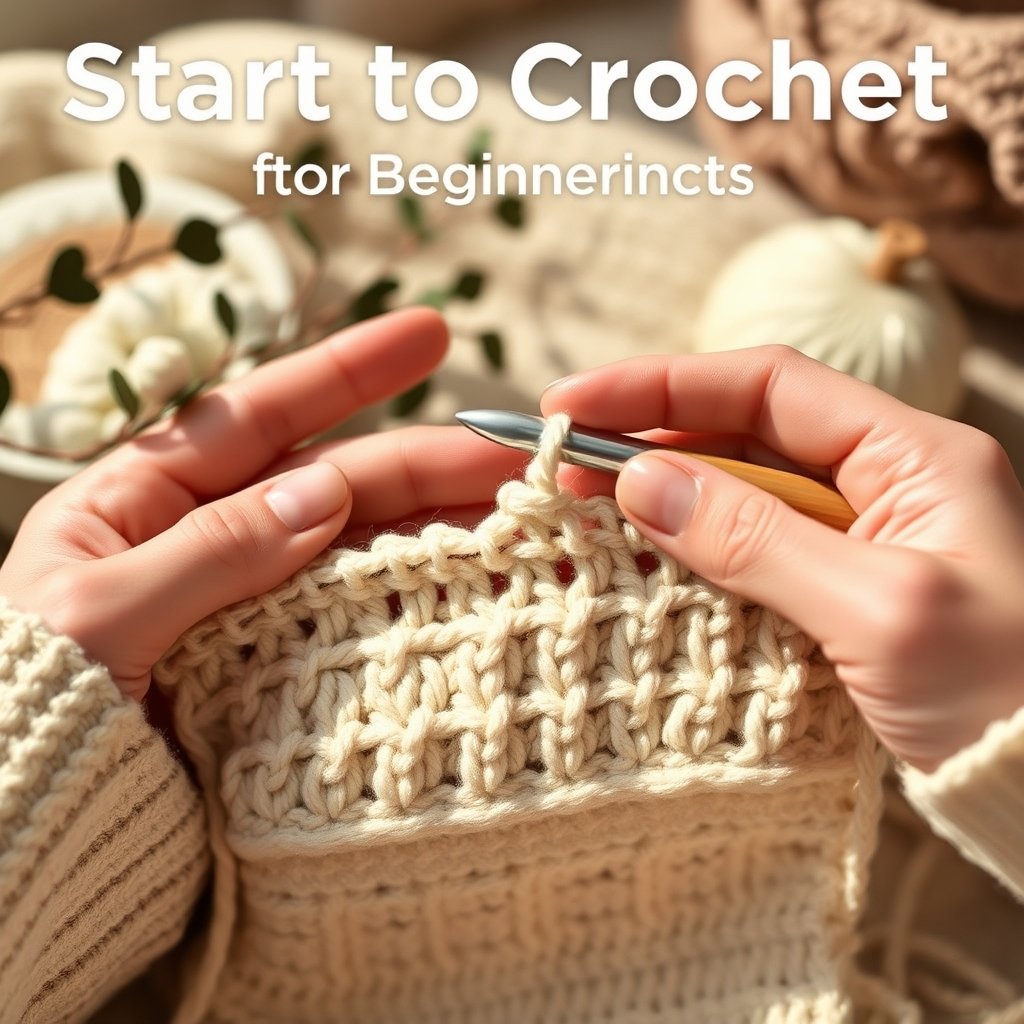
Practice plan — how to pair stitches with short exercises
To build reliable muscle memory, swap marathon sessions for short, focused practice. Pair each foundational stitch with a micro-exercise using your starter yarn and hook. This habit helps you see improvement quickly and makes every new stitch less intimidating.
- Chain (ch): Make a string of 20 chains. Try again, aiming for even tension (not too tight, not too loose).
- Single crochet (sc): Work a row of single crochet into your chain. Aim for about 10–15 stitches across—enough to see the texture but quick to finish.
- Slip stitch (sl st): Slip stitch across a row or use it to join two small pieces together to see its flat effect.
- Half double crochet (hdc): Start on a practice swatch; work a few rows to get used to the yarn over motion.
- Double crochet (dc): Practice turning chains and making taller stitches. Watch for accidental gaps (very common on first tries).
- Treble crochet (tr): Try making 5–10 in a row, observing how open and lacy the fabric feels.
Keep practice sessions to 5–10 minutes a day. If a stitch feels awkward, focus on a shorter block and check your grip—relaxed hands help more than speed.
Beginner-friendly projects and patterns that build skills
Your first real project should reinforce stitch basics, build confidence, and let you finish something you’re proud of—without huge yarn requirements or complex shaping. Here are tried-and-true beginner crochet projects:
- Dishcloths or washcloths: Small, square, and endlessly useful. Use single crochet (sc), half double (hdc), or double crochet (dc) in straight rows. Great for learning even tension.
- Coasters: Similar to dishcloths but smaller—finish one quickly for a confidence boost.
- Simple granny squares: These classics are made in the round with chains and double crochet. They’re both forgiving and perfect for practicing stitch placement. Learn about granny square projects here.
- Basic scarves (straight or with minimal shaping): Repetitive rows using single or double crochet; easy to adapt length and see your improvement over time. See this guide on beginner scarf patterns for project ideas.
- Scrunchies: Quick, uses leftover yarn, and a playful way to practice stitches around elastic.
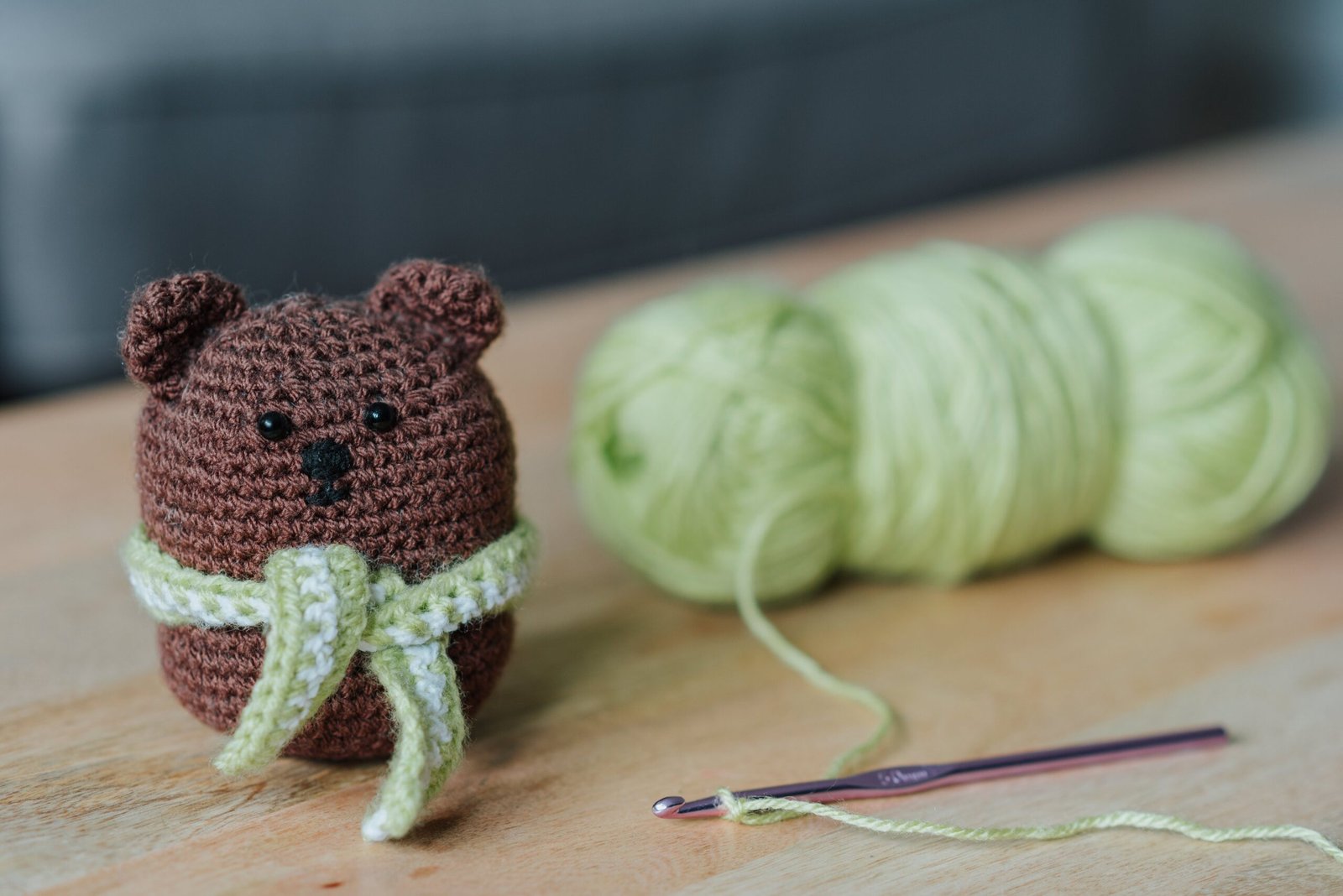
- Very simple amigurumi (crochet animals): Once comfortable with single crochet, try a small stuffed animal or shape. Amigurumi is usually made almost entirely with single crochet in the round (source). See more on getting started with amigurumi here.
When choosing your first crochet patterns for beginners, look for:
- “Beginner” or “easy” skill label
- Minimal shaping and clear step-by-step photos
- Short row repeats or rounds
- Materials list that matches your yarn and hook
Confidence comes from small successes, so pick a project you can finish in a few sessions rather than ones that feel endless. For inspiration, you might also enjoy this list of quick beginner crochet project ideas.
Common beginner problems and practical fixes
With the right approach, most beginner struggles can be solved before they grow into reasons to give up. Here are the top issues—plus simple ways to overcome them:
- Tight or uneven tension: Almost everyone crochets too tightly at first. Focus on relaxing your grip—hold the hook like a pencil or knife, whichever feels more natural. Use worsted-weight yarn and your 5.0–5.5 mm hook, aiming for chains and short rows. Stitches usually loosen up after a few rows (source).
- Difficulty holding hook or yarn: There’s no single “correct” way! Experiment with different holds—use whichever method makes your hands ache less and forms stitches cleanly. Short, regular practice sessions help.
- Pattern confusion (abbreviations and turning chains): Most crochet patterns use standard abbreviations (like sc for single crochet, dc for double crochet). There’s often a glossary included. Always check the “Materials” section for the right yarn weight and hook size.
- Running out of yarn: Buy an extra skein in the same dye lot as your main yarn; the lot number is marked on the yarn label. This avoids nearly unfixable color mismatches partway through a project (source).
Common pattern mistakes by beginners — how to spot and fix them
Pattern mishaps are a rite of passage in crochet for beginners. Here’s how to catch and fix the most common ones early:
- Miscounted stitches: If your rows keep growing or shrinking, count your stitches at the end of each row. Use stitch markers to track row starts or important pattern transitions.
- Missing/misunderstood turning chains: The turning chain sets up the height of the next row. Skipping it accidentally is the classic cause of wavy or lopsided edges.
- Wrong hook or yarn weight: Always double-check the pattern’s recommended materials against your supplies and adjust only if the pattern allows.
- Skipping the abbreviation glossary: Spend a few minutes reading the pattern’s abbreviation guide before you start. It’s not just for advanced crafters!
How to fix mistakes:
- Recount rows/stitches: If your project looks off, count your rows and stitches—don’t just rely on “looks about right.”
- Use stitch markers: Place one at the start (and optionally the end) of every row when learning.
- Compare to pattern photos: Make sure your fabric texture matches the sample images included in your downloadable PDF.
- When to frog (unravel): If the mistake is just a row or two back, simply pull out the yarn and redo. If it’s several rows back but not critical, consider whether it’s worth fixing—it’s normal to have imperfections in first projects.
Understanding these pitfalls makes you better at reading patterns and sets you up for project success.
How downloadable PDF patterns (like TwirlBloom’s) help beginners — what to look for
Choosing the right pattern is as important as selecting the right hook and yarn. Downloadable PDF crochet patterns—like those found in the TwirlBloom pattern shop—often include features designed to support beginners:
- Clear, detailed materials list: Check that yarn weight and hook size (both mm and US letter) are listed. This prevents mismatched supplies.
- Skill level label: Look for patterns marked “beginner” or “easy.” Some PDFs go further, offering a visual preview of the finished project—helps you judge complexity at a glance.
- Step-by-step photos or diagrams: These provide visual backup when the text is unclear or you’re learning a new stitch.
- Abbreviation glossary: A section listing standard stitch terms in the pattern is invaluable for quick reference.
- Troubleshooting tips and notes: Patterns written with beginners in mind often include reminders or extra explanations for tricky steps (not all will provide this, so double-check before choosing a pattern).
- Printable format for offline use: PDFs allow marking off rows or notes as you work, and can be printed for side-by-side desk reference.
- Links to video tutorials (where available): Bonus features can be a lifesaver for learning new techniques.
Before downloading a pattern, use this quick checklist:
- Yarn weight and hook size match your supplies.
- Photos look like the kind of texture and fabric you want to create.
- Pattern skill level says “beginner” or “easy.”
- Includes a glossary or at least clear row-by-row instructions.
Taking a moment to confirm these points helps you avoid the classic beginner trap of picking an overly complex pattern and getting discouraged partway through. To explore a wide variety of crochet PDF patterns (including patterns labeled by skill level and with detailed lists), visit the TwirlBloom shop.
Content gaps to exploit — what top “how to crochet” pages often miss
Most “how to crochet” guides stop at basic stitch instructions and a generic list of starter projects. Here’s what this guide addresses that others often miss, giving you a tangible advantage as a beginner:
- Stepwise practice plan: Directly pairs every foundational stitch with a specific micro-exercise and a beginner project suggestion, so you always know what to practice and why.
- Pattern selection checklist for PDFs: Guides you to confirm yarn, dye lot, skill level, and included features—minimizing the odds of project-ending surprises.
- Practical dye lot advice: Explains how and why to check yarn dye lots and always buy an extra skein to prevent color mismatch (a commonly overlooked issue that can ruin the satisfaction of a first completed project).
- Beginner holding tips: Provides stepwise reminders for holding hook and yarn—most sources gloss over these details, but small ergonomic tweaks matter.
Together, these details reduce frustration and boost your chance of finishing and enjoying your earliest crochet makes.
Resources, next steps, and pattern recommendations
Ready to put hook to yarn? Here’s a realistic roadmap for your next moves:
- Gather your essential starter kit: 5.0–5.5 mm hook, worsted-weight light acrylic yarn, scissors, yarn needle, stitch markers, and one extra skein (same dye lot).
- Practice the chain and single crochet—5–10 minutes daily on a small swatch. Refer back to the foundational stitches and practice plan sections as needed.
- Pick and download a micro-project pattern: choose a dishcloth, coaster, or granny square PDF that matches your supplies and skill level. Save 1–3 patterns that pass your beginner pattern checklist before buying your yarn.
- If you want pattern support or visual learning, look for downloadable patterns that include tutorial photos or links to videos.
You’ll find curated beginner pattern collections, one-project PDFs, and more skill-building ideas in the TwirlBloom crochet pattern shop.
Frequently Asked Questions
What supplies do I absolutely need to start crocheting?
To begin, you’ll need a single 5.0-5.5 mm (US H-8/I-9) crochet hook, one skein of worsted-weight (category 4) smooth acrylic yarn in a light/medium solid color, scissors, a yarn/darning needle for finishing, and some stitch markers. It’s also wise to buy an extra skein in the same dye lot to avoid running out.
Which hook size and yarn weight is best for beginners?
Most experts recommend starting with a 5.0–5.5 mm (US H-8/I-9) hook and medium-weight (worsted/category 4) smooth acrylic yarn. This combination is comfortable to hold, makes stitches easy to see, and matches most beginner patterns.
Which stitches should I learn first and why?
Start with the chain (ch), then practice slip stitch (sl st) and single crochet (sc). Mastering these lays the foundation for almost all beginner projects and helps you build up to half double, double, and treble crochet stitches.
How do I fix tight or uneven tension?
Tension usually improves with short, regular practice. Focus on relaxing your grip, using a smooth yarn and the recommended hook size, and practicing rows of chain and single crochet. Your stitches will even out with time.
How do I read basic crochet pattern abbreviations and the materials list?
Most patterns include a glossary for abbreviations (like sc, dc, hdc). Always check the materials list for the recommended yarn weight and hook size; this ensures your project turns out as pictured.
Should I buy an extra skein of yarn before I start?
Yes, buying an extra skein in the same dye lot as your main yarn is highly recommended. This prevents color mismatch if you run out partway through a project.
If you’re excited to try new patterns or find the perfect starter project, explore crochet PDF patterns at TwirlBloom—and find your first project to finish with pride.

